

We have a great little pickup truck. It is a 2011 Ford Ranger which we bought in November, 2011, the last year Ford made this model. It is a very serviceable truck, which we used frequently to haul water heaters, ranges, furniture, trash, lawn mowers, and all sorts of other stuff which goes along with servicing rental houses. For my wife, it was her only vehicle, and she grew fond of it. Edmunds, the auto website, was not complimentary in its review, but owners gave it mostly five stars with a few four-star reviews, and none less than that. Ford stopped making this model in December, 2011. From various reports, it seems Ford felt this truck was competing with sales of the F-150, their full sized pickup.
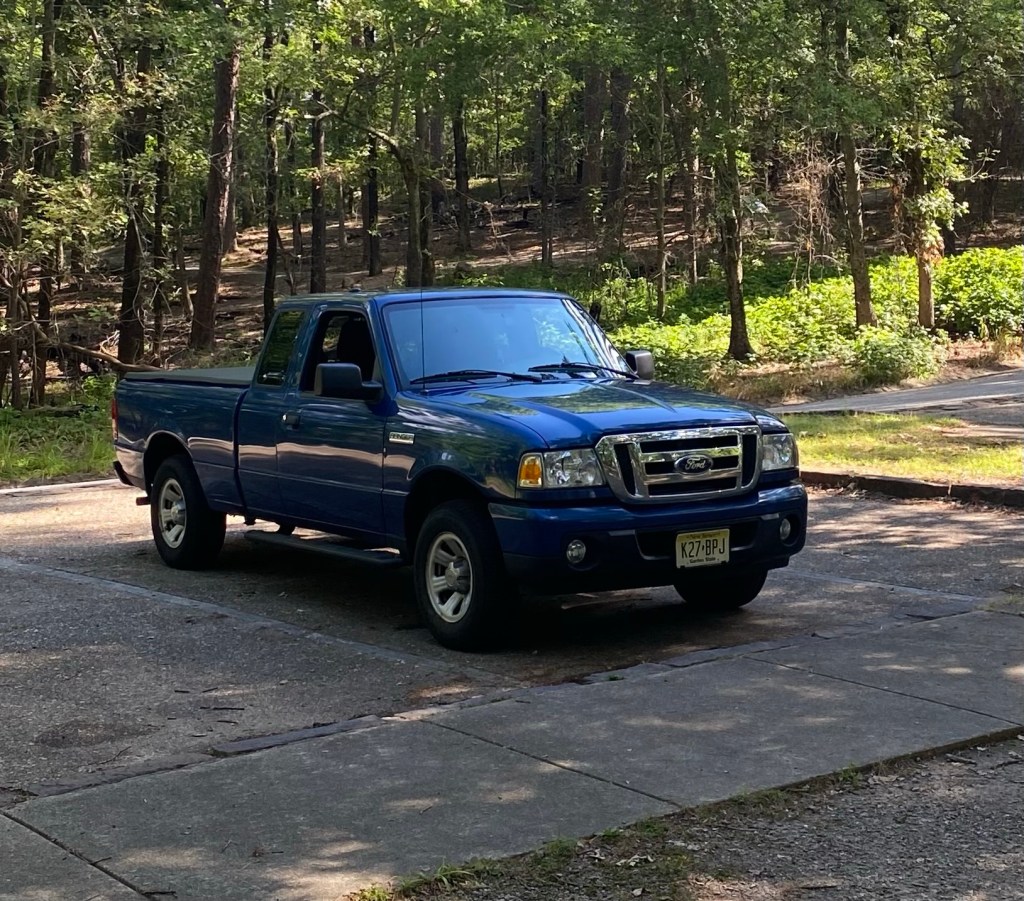
Things went wrong with our truck last year after a long ride back from Oklahoma to New Jersey. We had driven it down to Oklahoma filled with family goods, a silver tea service, heirloom silverware, grandmother’s glassware, and other goods to give to my daughter or keep in our place there. It was a bit humorous. We spent two nights on the road, and each stop we would unload the truck into the motel room for safety, then reload it the next morning. We spent the month of July in Oklahoma, and returned with the truck performing beautifully. But shortly after we got back, it started to have problems with the battery draining. Left idle only a few days, the battery had lost sufficient power to start the engine. My first thought was to replace the battery. We had it checked, though, and it was still in good shape. I checked how much current was being drained when it was not running. I measured 25 mAmps, which is not a heavy draw. We took the truck to the Ford dealer near us and reported the problem. Their first response, after keeping it overnight, was that it started up just fine, so per their brilliant analysis, there was no problem. I had them keep it over a weekend, and behold, the battery had drained to the point it would not start the engine. They ran a number of tests, narrowing the cause down to a malfunctioning ECM, or electronic control module. This is a computer which controls distribution of power to various components depending on need.
However, because our truck was made in 2011, the end of the line for that model, they told us Ford does not sell replacement ECMs for that vehicle, and after searching, they were unable to find a replacement. These ECMs are vehicle-specific, requiring programming for the exact model in which it is installed. We brought the truck home, and I installed a switch on the negative pole of the battery, so we could disconnect it when not in use. This was a very simple copper toggle switch. Granted, we had to open the hood when we wanted to start the truck in order to throw the switch, but it worked. One little problem came up when we needed to get the car inspected. The computer reading at the inspection station showed a failure, but we learned we had to drive it 20-30 miles without disconnecting the battery for the ECM settings to pass. We did that, and it passed. Terrific!
Our problems were not over. We used the truck regularly, but only once a week or so. The disconnect switch was working. Then, in November last year, it occasionally would not start, even with a full charge on the battery. I would throw the switch, put in the key (yes, a real old-fashioned key), and on turning the key all the lights on the dash would go out and the engine would not start. There was no clicking sound like one hears when the battery is low. It was just dead. Then, I would come back an hour later and it would start. My wife needed a reliable car. We did not want to get rid of the truck, though, since all the other mechanical parts, the engine, the body, the interior, were all in good condition. We bought a new Subaru Forester in December. At first, she missed the truck, and despised the computer screen in the Subaru used for controlling car functions. But it served us well on our trip up to Vermont with grandchildren, and she started to appreciate its good qualities. She especially liked being able to raise the driver’s seat so she could see better.
We still used the truck periodically, never knowing if we would get stranded somewhere. So, by necessity, we kept trips local. The ranger got worse, though, and by April of this year, it would not start. It sat parked on our side street, a piece of immobile sculpture. I would go out once in a while, check the charge on the battery which was holding, see the dash lights light up when I put in the key, only to have all go out on turning the key to start. Even the cabin light went out.
We took another trip down to Oklahoma for the month of July, driving the new Subaru. It performed beautifully, and we had a great trip. I still wanted to get the truck working again, though. It became a mission. I had spent some time searching on eBay and various parts dealers, but could not find a replacement ECM. Then, on a web search, I came across a company called Flagship One, Inc., in Lynbrook, New York. Lynbrook is on Long Island, not far from Queens and JFK Airport. It is a privately held company specializing in ECMs and myriad other acronym named computers for cars and trucks. I called the company, got a live person on the line quickly. I told her I needed a replacement ECM for my 2011 Ford Ranger. She took down the VIN, did some quick research, and told me which model I needed. The cost was $214 which I thought was very reasonable. She told me the unit would be programmed for my particular vehicle. Over the next week and a half I received emails informing me of the progress with my ECM. Once it was ready it was shipped second day delivery. After receiving it, I could not wait to install it. Swapping out the old ECM turned out to be very easy. Three cables with connectors attach to the unit. After unplugging them, the unit is held in by two nuts. It was a bit stuck in place, but with a little leverage, I removed it.

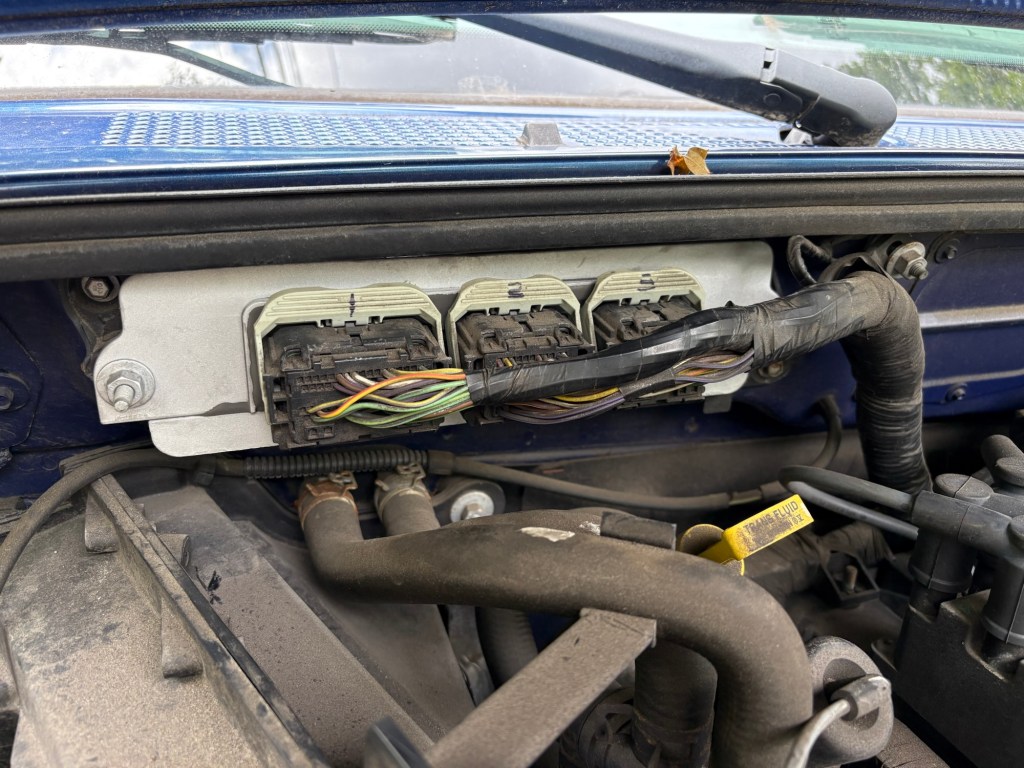
With the new device installed, I reconnected the battery. I opened the driver side door and the cabin light lit. I inserted the key, and the icons on the dash lit. However, on turning the key, nothing happened. I noticed one icon which was lit, showing a car with a padlock.
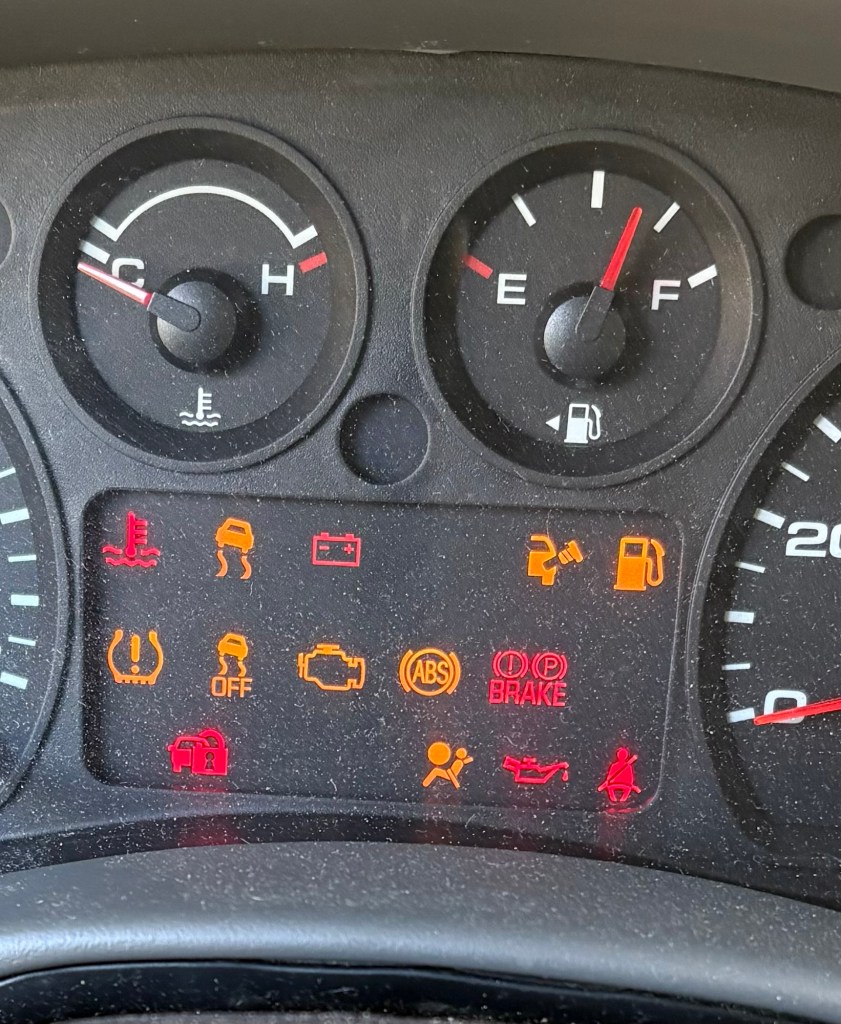
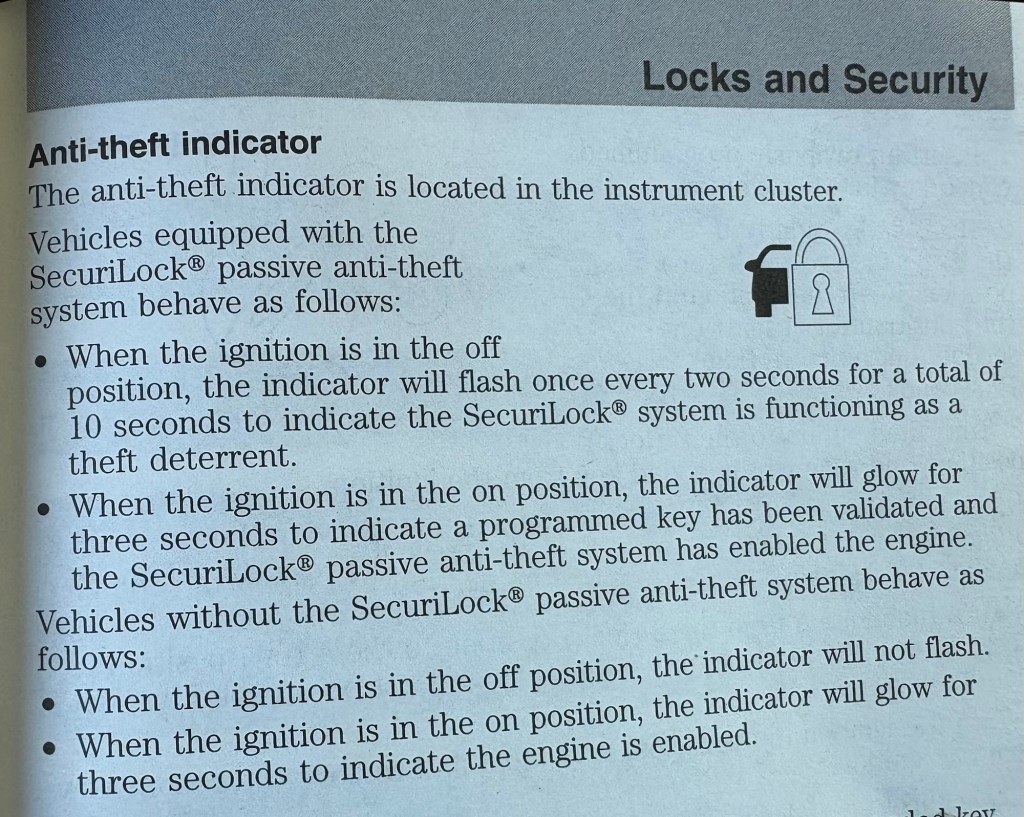
The car keys come with a key fob containing a chip. The chip needs to be programmed to the ECM to allow the truck to start. I didn’t know this at first, but had a hunch when I saw the icon, and read about it in the manual. I called the good people at Flagship One. At first, they sent me instructions on reprogramming which required starting the engine. So that was out. I called Winner Ford and spoke to a service rep. I was willing to have the truck towed there to have them reprogram the fob. I was told that since I installed the ECM, they would not help me. I offered to reinstall the old one, but they said, “too late”. I argued that they were the ones who said a replacement ECM could not be found, but again they refused to help. I called back Flagship One, and they said a locksmith should be able to provide this service, as long as they had the right computer setup to work with old Fords. I called Ben’s Lock & Key in Cherry Hill. Twenty minutes later, a very nice man named David (Ukrainian emigre) was parked in front of my truck. He said, “no problem, we’ll get this fixed”. He hooked up a pad to the connector under the steering column and entered some information. Then he told me to insert the key and start it up. The engine roared to life. I got our backup key with fob and that got reprogrammed, too. The cost of all this was about $230 for the ECM and $240 for the locksmith services.
I have also discovered, by leaving the toggle switch on the battery closed and checking its voltage, that the battery is no longer being drained. It turns out a faulty ECM is a known cause of “parasitic” battery drainage. I’m very glad I persisted and did not give up on our pickup. It’s not that old, is in good shape, and should have many more miles in its future. I’m also very appreciative of the excellent service from Flagship One and from David, at Ben’s Lock & Key, without which I would still have that immobile piece of art.
 sjacmarathoners