Running in San Diego…what a trip!

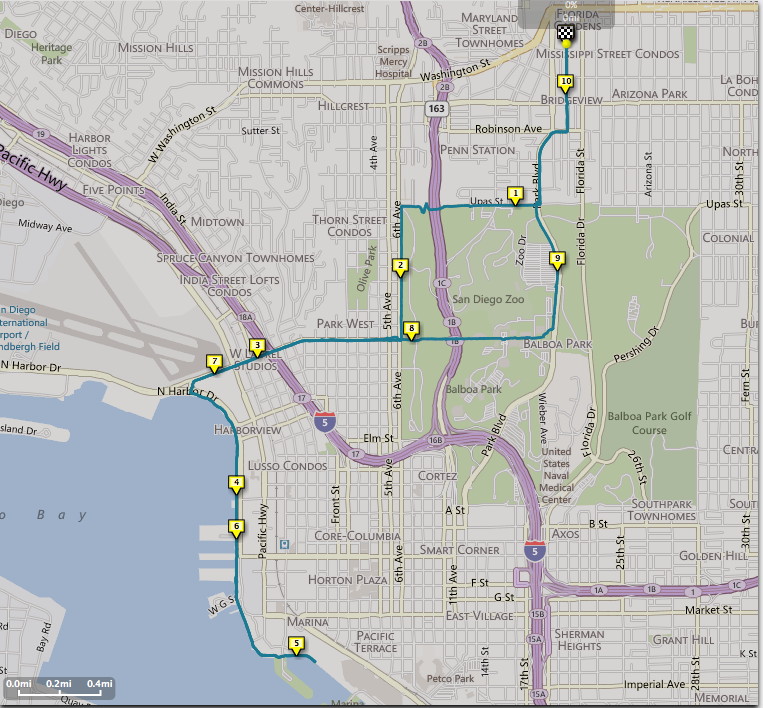
San Diego is a beautiful place to run.  Along the coast, the cloud cover is present until around noon, but go inland a few miles and the sun breaks through early.  The temperature is usually fairly moderate, even in the summer, and it never gets too cold in the winter.  Staying in San Diego for my daughter’s graduation, I had the opportunity about two weeks ago to do one of my favorite loops, a ten mile run which runs from her apartment, around Balboa Park, down hill to Harbor Drive, along the paved walk along Harbor Drive, then back up to Balboa Park, along El Prado, and finishing past the San Diego Zoo and back to her apartment.

Ten Mile Loop in San Diego

Ten Mile Loop in San Diego

This loop starts about a mile from Balboa Park.  Running along the edge of the park, there is a steep downward path leading to a bridge over highway 163, then a steep climb back up to the park level.  Along 6th Avenue, there is a lot of room on grassy areas for early morning yoga classes and other fitness trainees using the free access to the park to their advantage.  The usual park dwellers, also known as homeless, although they consider this their home, also hang out here.  Their daily activities are set by the timing of the park sprinkler system.

Tree in Balboa Park, near the favorite spot for ultimate Frizbee.

Tree in Balboa Park, near the favorite spot for Ultimate Frisbee.

The route then turns westward down Laurel Street towards Harbor Drive.  I do mean downwards, too, as the drop from the park to the harbor is about 300 feet over a mile.  Laurel Street passes the San Diego International Airport, also known as Lindbergh Field.

Lindbergh Field's runways seen from Laurel Street.

Lindbergh Field’s runways seen from Laurel Street.

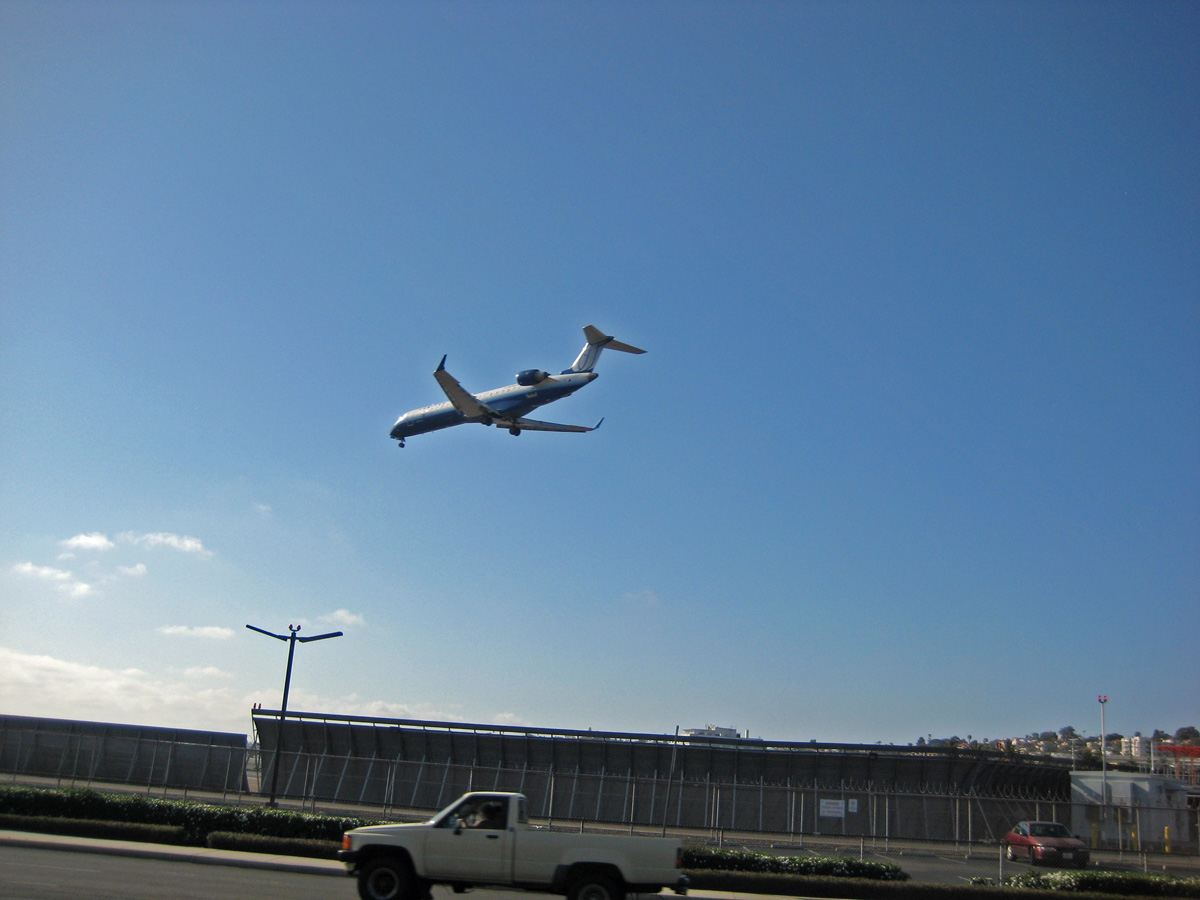
The planes landing at Lindbergh Field fly right over the buildings of downtown San Diego.

Plane coming in to Lindbergh Field for a landing.

Plane coming in to Lindbergh Field for a landing.

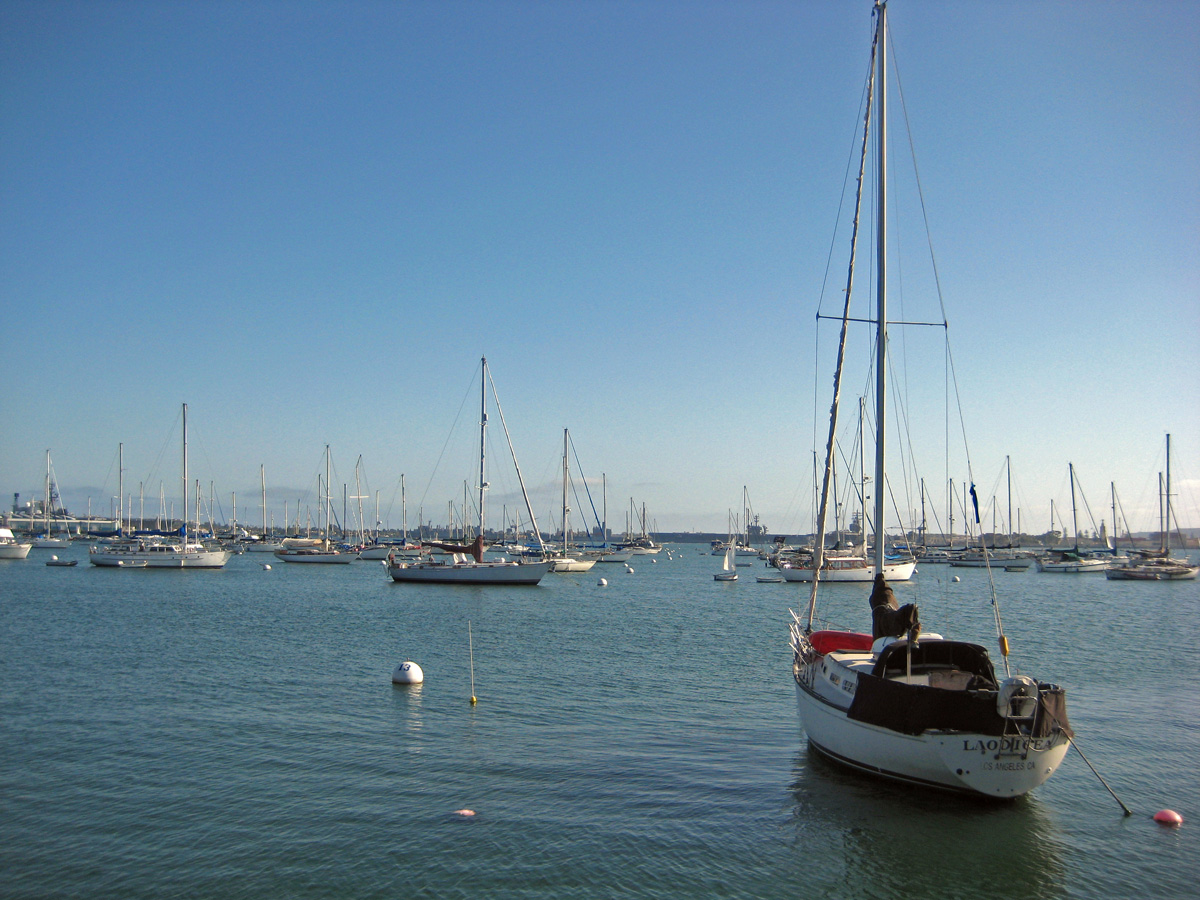
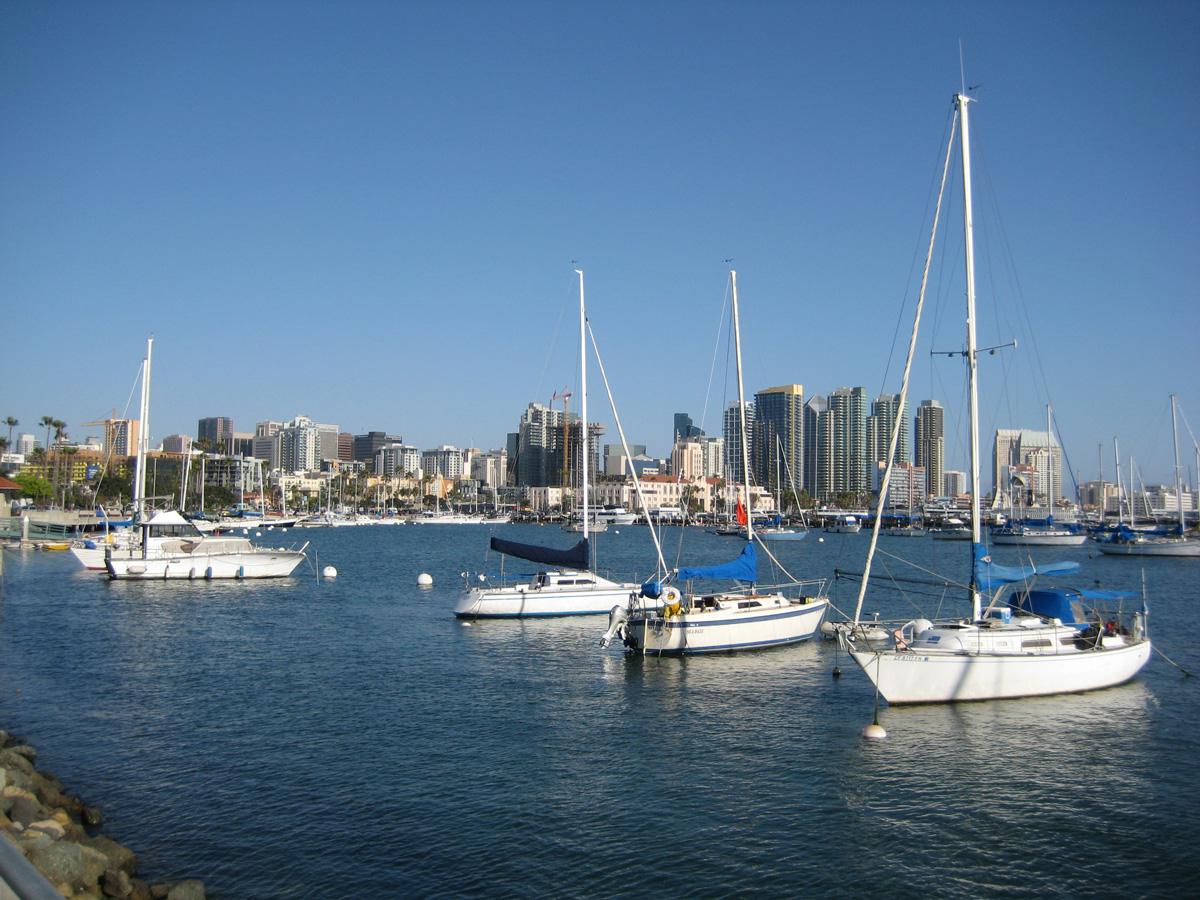
Once one reaches harbor drive, it is a nice flat run to the south along the pedestrian way.  There is a marina specifically for sailboats at the base of Laurel Street.  Maneuvering past the navy ships in the harbor may be a bit challenging, but then one can sail to the Coronado Islands, or Catalina, or perhaps down to Baja California.  I got a chance to sail with my college friend, Keith, back a few decades ago, on his father’s sailboat.  We took a trip out to the Coronado Islands, a group of four islands off the coast of Tijuana, and owned by Mexico.  We were followed by a group of dolphins the whole trip, and I suppose they were expecting something, although I’m not sure what.  Applause, maybe?  The islands have an interesting history and I’ve included a link to the Wikipedia article.

Sailboat Marina in San Diego Harbor at the base of Laurel Street.

Sailboat Marina in San Diego Harbor at the base of Laurel Street.

From the marina looking south along Harbor Drive towards downtown San Diego.

From the marina looking south along Harbor Drive towards downtown San Diego.

Running along the pedestrian way, one passes the San Diego Maritime Museum, a collection of historic ships which are restored and operational.  It includes the oldest operating sailing vessel in the world, the Star of India.  Farther down is the USS Midway aircraft carrier, commissioned in 1945, seeing action in Vietnam and Operation Desert Storm, and then decommissioned in 1992.  It can be visited, and is also a popular spot for private events, as it is huge and can accommodate a few thousand wild party goers.

USS Midway aircraft carrier in it's permanent berth in San Diego Harbor

USS Midway aircraft carrier in it’s permanent berth in San Diego Harbor

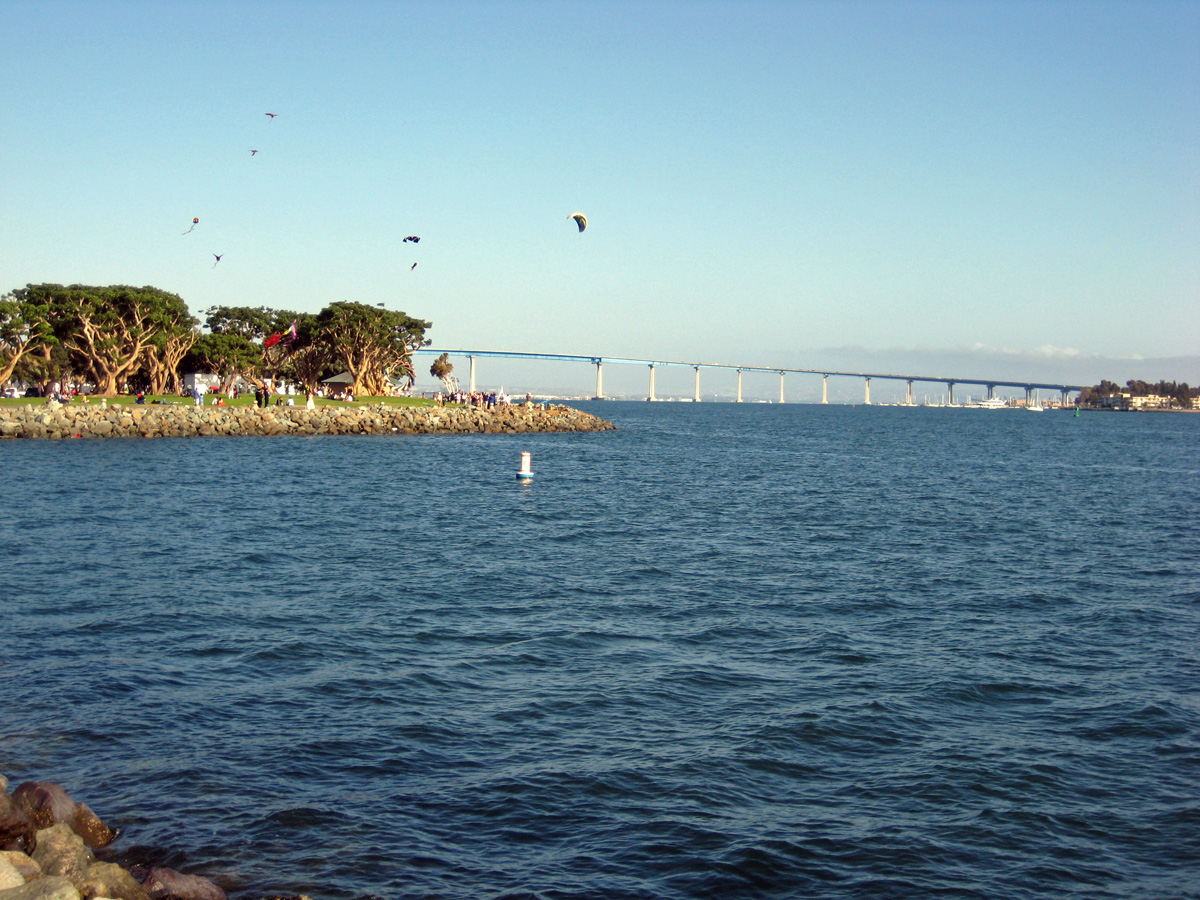
The last mile of the five miles out on this loop goes past the Seaport Village, a touristy shopping and restaurant area conveniently close to San Diego’s hotel and convention center area.  At my turn-around point, I had a nice view of the Coronado Bay Bridge (different Coronado than the islands mentioned above), and people flying very large and complex kites on a point of land extending into the harbor.

Coronado Bay bridge, and kite flyers

Coronado Bay bridge, and kite flyers

I then turned around and headed back towards Laurel Street, following the dictates of my Garmin.  I reached Laurel, and began the climb back up towards Balboa Park.  Still at sea level, going past the airport, I had the misfortune of taking a wrong step.  I think I was a bit beat by the fact that the sun came out early this day, but I clearly wasn’t paying attention.  Either that, or the sidewalk in front of me magically rose about an inch, and I hit the lip of concrete with the toe of my right shoe.  I took a quick fall, in kind of a rolling fashion, and I can still remember going down.  I knew it would hurt, but when I hit the sidewalk with my right shoulder, it seemed to hit with a great deal of force.  A shock went through me, and I lay face down on the sidewalk, slow to recover.  My first concern was that I thought I must have broken my collar bone.  I slowly rose to sitting position with a great deal of pain in the right shoulder.  I ran my hand over the collar bone, and didn’t feel any change in the contour, or bone fragments sticking out through the skin.  I tested my range of motion, and found that I could still move my arm around in a circle.  So, I decided it wasn’t broken.  Next, I stopped my Garmin, which may seem obsessive, but perhaps my running friends will understand.  After another few minutes on the sidewalk I decided to get up and see if I could still run.  While the shoulder hurt, I was still able to run, so I headed back up the hill for the long climb to the park.  Oh, and I restarted the Garmin.

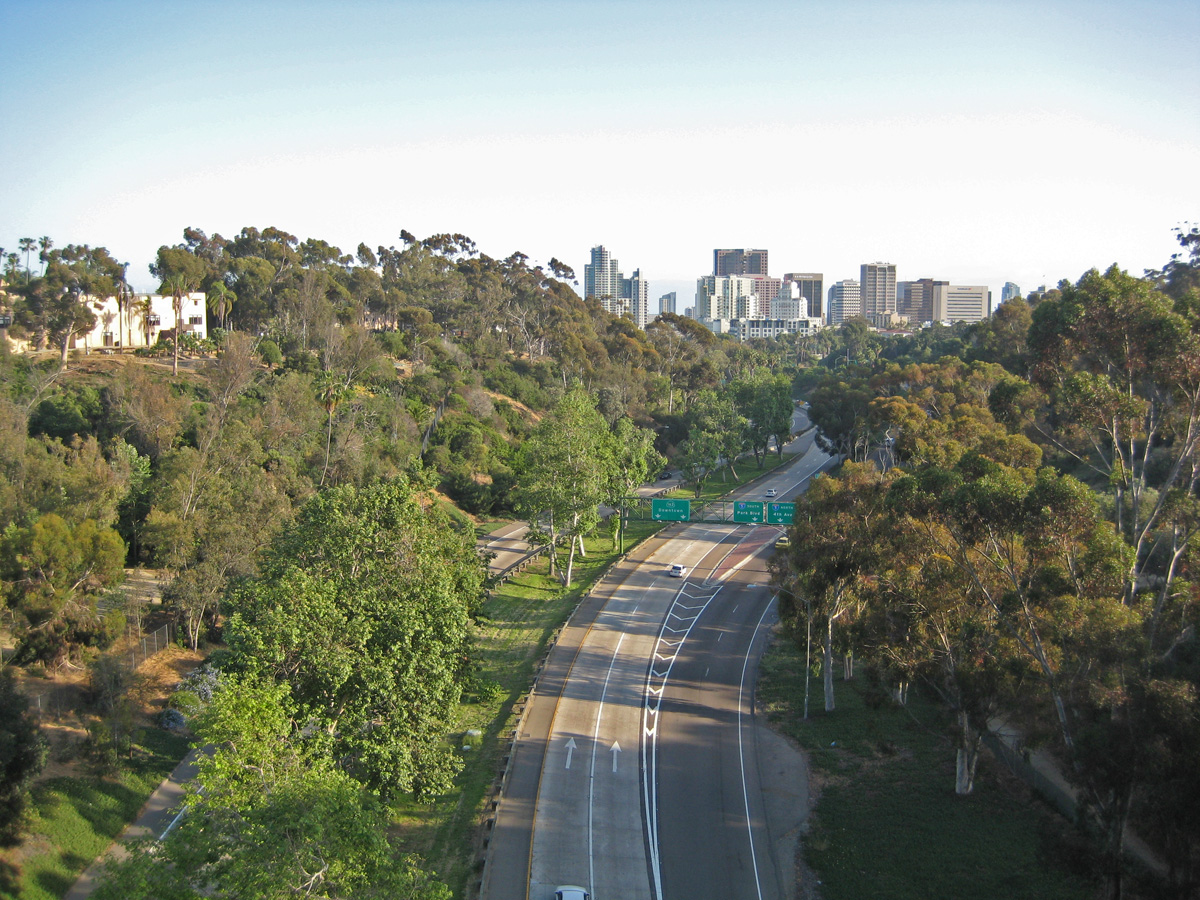
Reaching Balboa Park, I headed straight along El Prado, crossing the Cabrillo Bridge.  This bridge was built in 1914 for the Panama-California Exposition in 1915 celebrating the opening of the Panama Canal, and was the impetus for building many of the buildings in Balboa Park.

View facing south from the Cabrillo Bridge, over Highway 163, the Cabrillo Highway.

View facing south from the Cabrillo Bridge, over Highway 163, the Cabrillo Highway.

Continuing over this attractive bridge, one enters the part of Balboa Park with museums, restaurants, and a very beautiful botanical garden.  The Spreckles Organ, a large outdoor pipe organ pavilion is nearby, and was also built for the 1915 Expo.

Looking past the central fountain towards the buildings of El Prado in Balboa Park

Looking past the central fountain towards the buildings of El Prado in Balboa Park

I then finished the run heading back to my starting point, taking me past the San Diego Zoo, and back to my daughter’s apartment.  My shoulder was  hurting pretty badly by then, so I took some aspirin, and told my family about my fall.  They were concerned, and quite sympathetic, although I detected a note of “you should be more careful”.  I think I was just thinking that myself, and they really were quite sympathetic.  I felt foolish, but thankful I still had an intact clavicle.  I downed a lot of aspirin the next two weeks, as the pain gradually subsided.  It didn’t get in the way of me enjoying my Hawai’i trip, though, and for that I’m very appreciative.

Why I Didn’t Run in Hawai’i (part one)

Hawaiian Islands

Hawaiian Islands

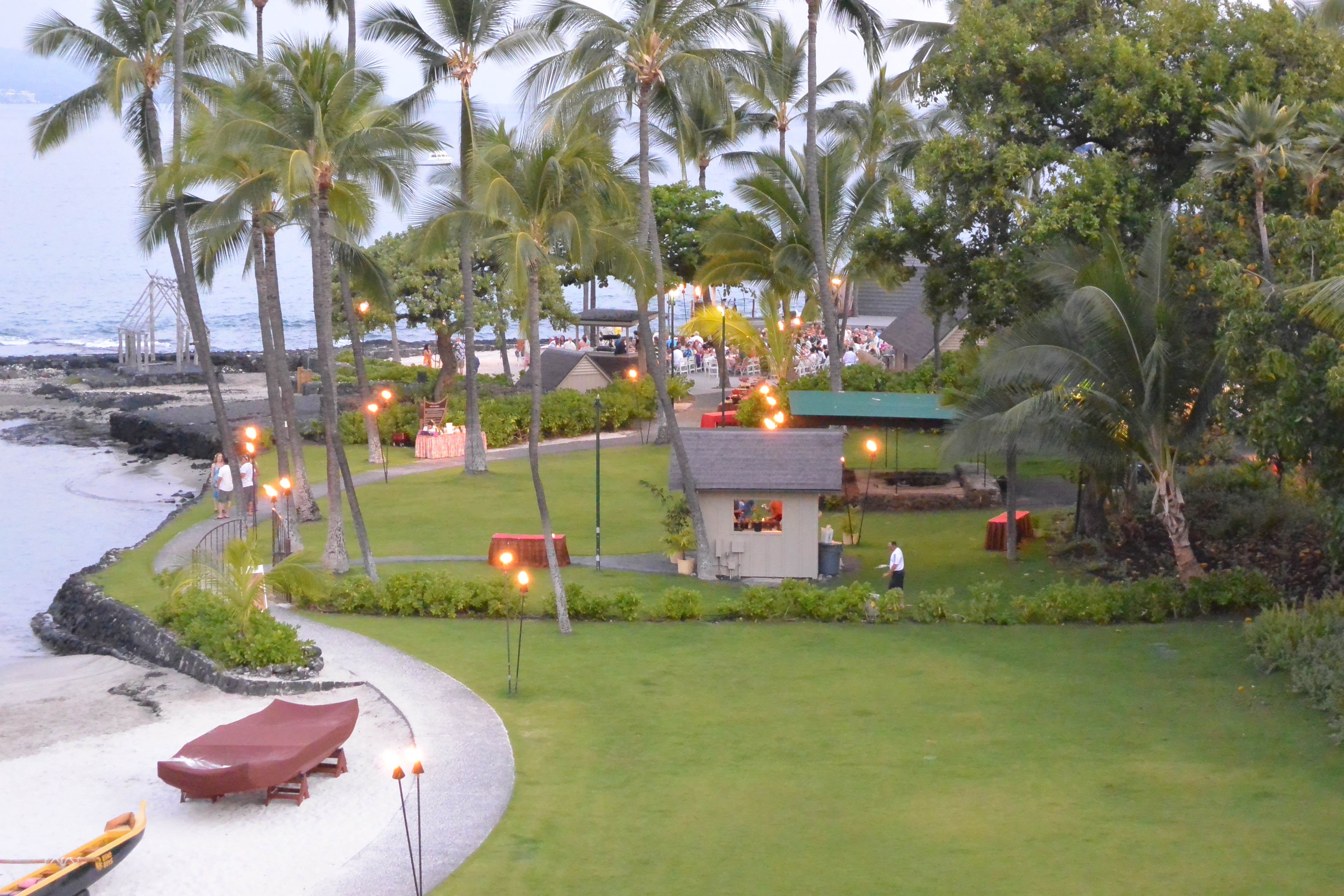
To be sure, I did run, and I’ll get to that, but certainly not as much as I had planned. Since we, being my wife and I, were already on the west coast for my daughter’s graduation, we felt, “why not extend our trip a few days, and have a real vacation”. We decided to take a trip to Hawai’i. Never having been there before, we decided to visit the “big island”, because of the opportunities for adventure. It took a bit of reading to find there are two main airports on Hawai’i, in it’s capitol Hilo, and in Kona. Yes, Kona, the home of the Ironman Triathlon World Championship. Kona is also the more touristy of the cities on Hawai’i, with more hotels, restaurants and bars than Hilo, and it is where we decided to stay. Our flight from San Diego took us eastward first to Phoenix, then we changed planes for Kona. We left San Diego at 6:30 AM, and arrived in Kona at 2:40 PM, a total of eleven hours travel time. It’s not a quick trip. The arrival in Kona, though, is other-worldly, though, as the plane descends over barren lava fields to the airport. Once on the ground, we we disembarked the old fashioned way, by a stairway rolled out on the tarmac. I felt like waving as I stepped through the doorway of the plane onto the stairs. The terminal itself is completely outdoors. No walls, just open air, with some overhead coverage for rain. Exotic looking plants and flowers were in abundance around the terminal. We collected our bags and rented our car without a problem. It was a short drive to Kona and to our hotel. We stayed at the Courtyard King Kamehameha’s Kona Beach Hotel. This hotel is built on grounds of the royal court from the time of King Kamehameha I. It faces a beach, a rebuilt temple of the royal residence, and a pier. The first room they gave us did face the water but was adjacent to a busy street and parking area. They were kind enough to move us to a different room which was much more what I had in mind, overlooking the beach and a grassy area surrounded by palm trees.

View from our balcony, King Kamehameha hotel

View from our balcony, King Kamehameha hotel

While we had investigated the various things to do on the island, we had not yet made any plans. So, once settled, we began making some reservations. This island is the home of the famous Kona Coffee, and we put visiting a coffee plantation on the list. Most dominant on the island are the two major mountains, both volcanos, and both reaching close to 14,000 feet high. The higher of the two, Mauna Kea, is the home of the largest observatory in the world. There are a number of zip line opportunities, through rain forests and over waterfalls. Hawai’i is known for the opportunity to see giant manta rays doing ballet on nighttime snorkeling boat trips. Of course, there is Volcano National Park. With five days to get this all in, it took a lot of calling, reserving spots, and adjusting plans when one tour was filled and we had to shift things around. While I had the job of getting us to the island and finding a hotel, my wife, Kat, handled most of the engineering of the schedule. I should add, all these touristy things do not come cheap. We anticipated that, and while there are plenty of free or reasonable things to do in Hawai’i, organized activities are expensive, but, as we found, very much worth it.

The next morning I awoke feeling frisky and ready to run. I got out at 6:00, which was no problem given Hawai’i is three hours behind west coast time. There are few roads on which to run, so I followed the path most of the runners in this area seem to take, which is along Ali’i road, which runs south along the coastline from Kona. The road is narrow, but does have a shoulder/bike lane, and there were other runners along the route. It is a beautiful route, since there are frequent areas where the waves crashing against the lava rocks are in view. Getting out early, it wasn’t too warm, about 74˚F, but it was very humid.  I ran out a bit past the 2.5 mile mark, then turned around and ran back.  The road is undulating, with a few hills of significance over that distance.

Ocean view while running along the Ali'i Highway

Ocean view while running along the Ali’i Highway

Another beach view along Ali'i Highway

Another beach view along Ali’i Highway

Big Island Running Company

Big Island Running Company

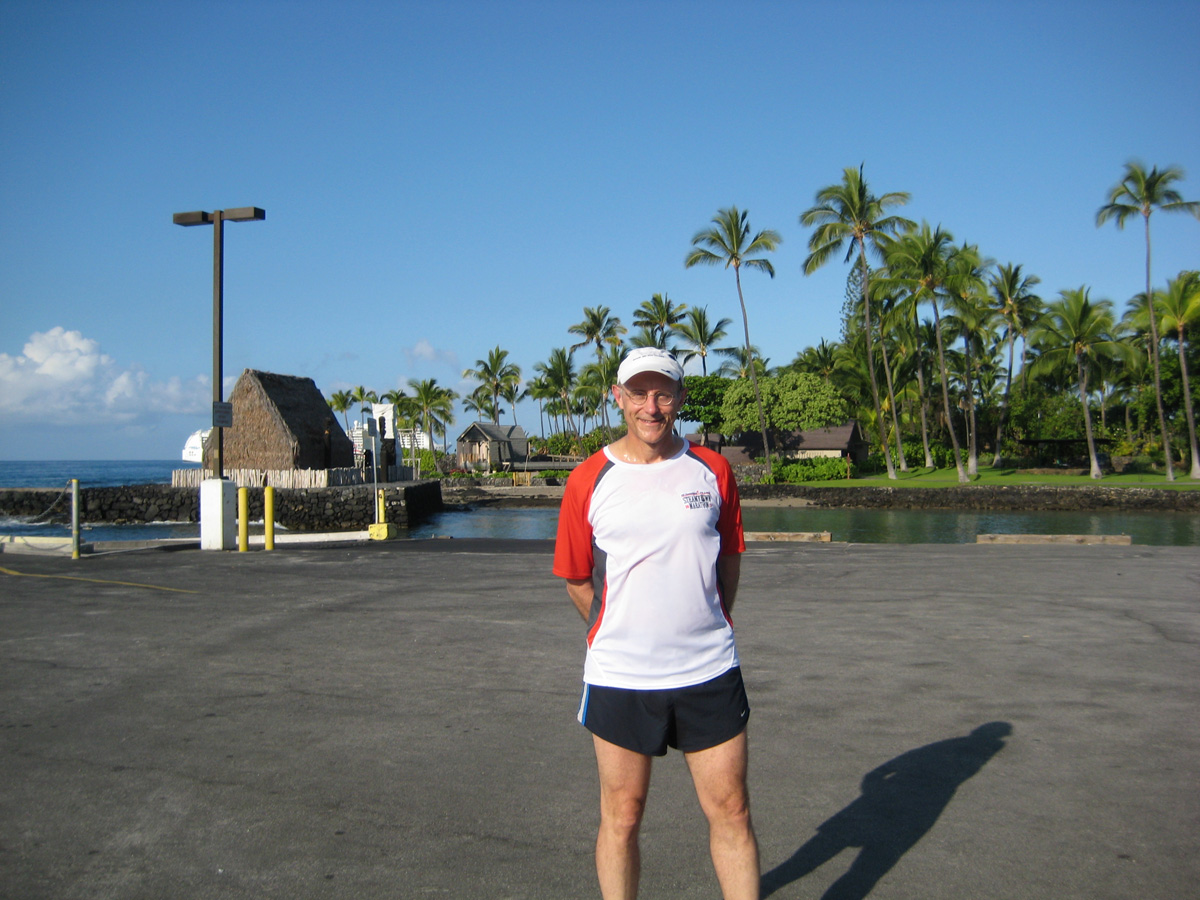
End of the run, quite sweaty.

End of the run, quite sweaty.

After running, I took a quick shower and joined my wife for breakfast at Honu’s, the hotel restaurant.  It is such a temptation to want to fill one’s plate with every tasty item available at hotel breakfast buffets.  I held the line at a made-to-order omelet, a mini Belgian waffle with coconut syrup and blueberries, loads of pineapple, and coffee.  I may have added a few other items as well….  After breakfast we headed out for the coffee plantation.  While there are several dozen on the island which give tours, we chose Mountain Thunder.  It had been featured on an episode of “Dirty Jobs”, and it was located high up Mauna Loa.  It also grows organic coffee, and seemed like a good bet.  We not only took a tour of the coffee growing and roasting operation, we arranged to roast our own organic Kona coffee.

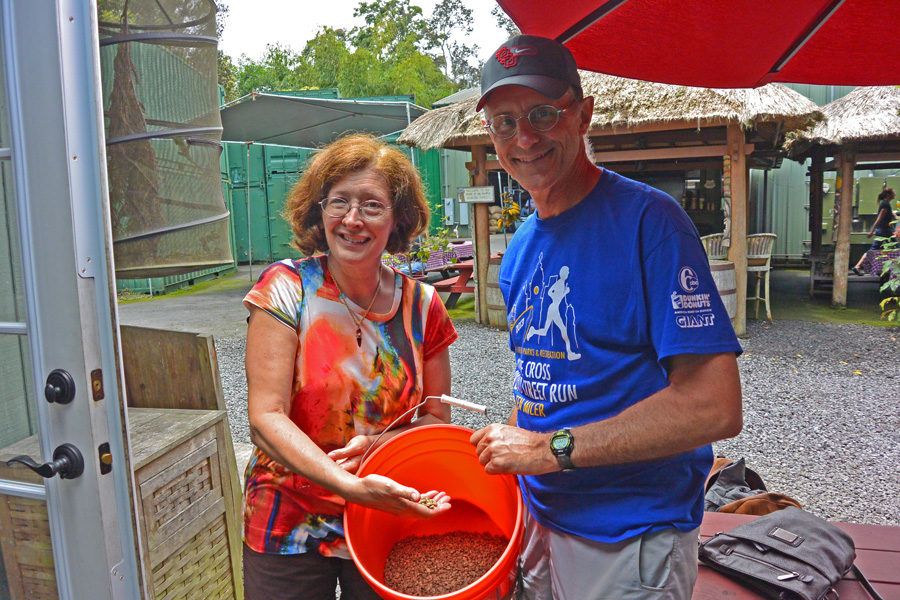
Here is our bucket of 5 pounds of raw, organic Kona coffee

Here is our bucket of 5 pounds of raw, organic Kona coffee

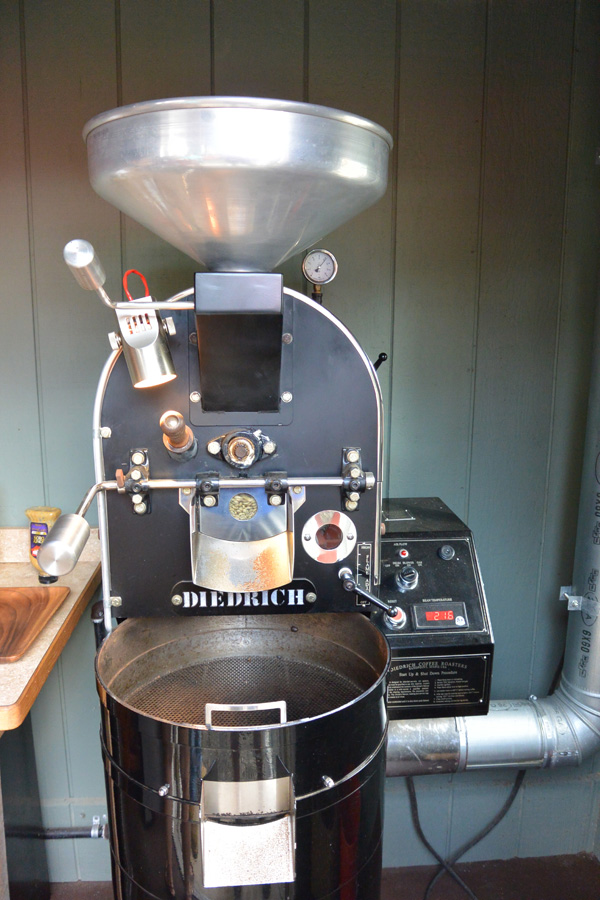
Unto the roaster it goes.  This is a small roaster for the visitors.

Unto the roaster it goes. This is a small roaster for the visitors.

It doesn't take long to get the beans to the proper temperature.  There is a very narrow range between not roasted enough, and over done.

It doesn’t take long to get the beans to the proper temperature. There is a very narrow range between not roasted enough, and over done.

A wandering rooster with a tiki statue in the background, at the coffee plantation

A wandering rooster with a tiki statue in the background, at the coffee plantation

We found that growing and roasting coffee, at least here, is a very “hands-on” job.  The trees are very productive but take a lot of care and feeding, and as we discovered, donkey dung and the outer skins of the beans make for good fertilizer. The beans are picked by hand, since on one branch there can be many beans in different stages of ripeness.  The roasting, too, requires close attention to get the degree of roasting exactly right.  I’m sure at big operations this is all done without human intervention, but here, it was all done by well-trained and obsessive people.  In fact, we detected a note of competitiveness among the roasters, regarding who gets it exactly right.  Five pounds of raw coffee made four pounds and a bit of roasted coffee.  No doubt it’s the most expensive coffee we’ll ever buy, but looked at from the standpoint of price per cup, it still beats the local higher end coffee shop.

That afternoon, our next adventure was to head up to Mauna Kea, to go to the visitor’s center of the Mauna Kea (means “white mountain”, because it gets snow!) observatories.  The visitors’ center is at 9200 feet elevation, while the summit, with the telescopes, is at 13,796 feet.  We stopped at the visitors’ center and did not go to the summit, the drive for which a four wheel vehicle is recommended.  There are summit tours on weekends, when one can go inside one of the observatories, but during the week they are closed to visitors.  Many people do go up to the summit for the view of the sunset, but we decided to listen to the ranger’s talk at the center, and then do some viewing through the many telescopes they had set up.

Visitor's Information Center at the Mauna Kea Observatories.

Visitor’s Information Center at the Mauna Kea Observatories.  Note the winter coats.  It gets cold up here.

The ranger gave a laser guided sky tour once it got dark enough, and we saw the Southern Cross, alpha and beta centauri, and many other constellations.  We were able to get amazing views of Saturn and Jupiter through the telescopes, and a view of a star cluster called omega centauri, or “the jewel box”, because of the different colored stars.  After about two hours of viewing, and getting thoroughly chilled, we headed back to Kona.  The road to Mauna Kea is an adventure itself.  It is called Saddle Road, because it goes between Mauna Kea and Mauna Lea.  It is a very narrow, twisting, rising and falling road over bleak and dangerous looking lava fields, often with no shoulder, and with the occasional one-lane bridge.  There are signs posted regarding which car should yield when two approach these bridges.  It was challenging on the way to the mountain when it was still light out.  In the dark, it was scary.  We were told later that this road was built this way on purpose by the army, as a way to foil an enemy that might try to use it.  But, I have serious doubts about that story.

The next morning we planned to get in some snorkeling.  After another scrumptious breakfast at Honu’s (which is the Hawaiian word for sea turtle), we walked into town to rent some masks and snorkels.  Also, Kat was very interested in getting a henna tattoo.  She stopped in at Kona Henna Studio, where a delightful and artistic young woman put a very nice, temporary tattoo on her left shoulder.  I’m not sure if the side has any meaning, but it did look nice, and included a honu, which I requested.  Meanwhile, I went across the street to Boss Frog’s Dive, Surf and Bike shop to rent the gear.

The henna goes on at Kona Henna Tattoo.

The henna goes on at Kona Henna Tattoo.

Kat needed to let the henna paste dry, so she couldn’t go in the water right away.  But after a few hours she would be able to get it wet, once the paste fell off, as long as it was not in the swimming pool, since the chlorine would bleach it out.

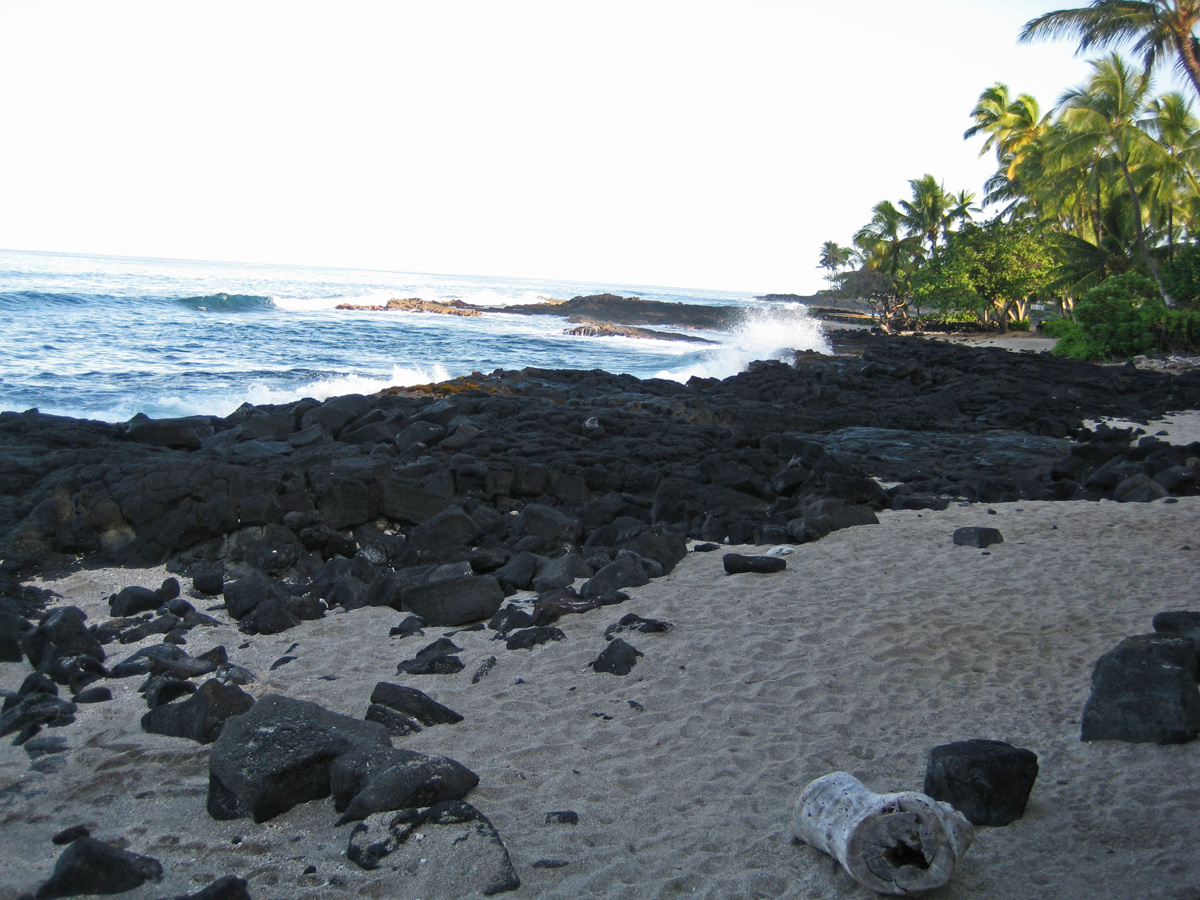
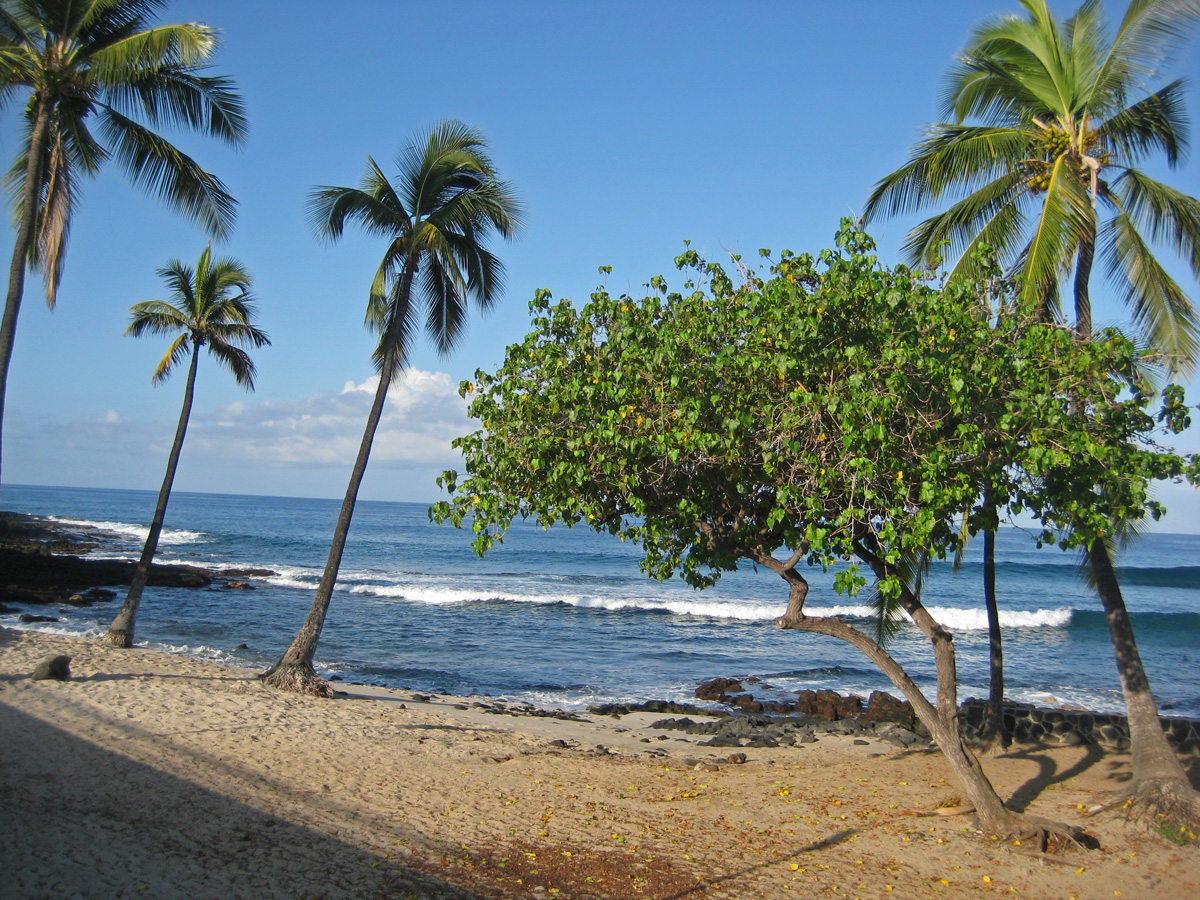
We drove along the coast, looking for the passageways to the best snorkeling beaches as recommended by Boss Frog’s.  About thirty minutes drive down the coast we headed for Honaunau Bay.  We found our way to the bay, but wound up in a National Historic Park, where snorkeling was not allowed.  We were directed back to the road we came in on, but missed the turn for the cove.  Instead, we wound up on City of Refuge Road, a four mile long, single lane (that’s right, just one lane, not two, and traffic goes both ways), road along another bleak, sharp-rocked lava field.  Turning around was not an option.  I was starting to think that, aside from a few main roads, driving in Hawai’i is a huge driving challenge.  We finally reached the end of the road, where it joined with another which took us back up (about a thousand feet up) to the main highway.  It took looking back at the map later to realize where we had gone wrong.  Instead, we headed north, to check out other possibilities.  The walkways to the beaches are marked as public access walkways, but often there are no areas to park, and the hike out to the water can be a few miles.  We finally found our way to a beach near the Honokohau Marina, north of Kona.  The walk to the beach was a challenge, and the beach itself was tiny and rocky.  But, I was able to get in and see some beautiful fish.  No turtles, though, even though this beach is known for them.  The water was uncharacteristically pretty rough.  Getting in the water was no problem, but getting out, I needed to find my way to the least rocky egress in order not to get hurt.

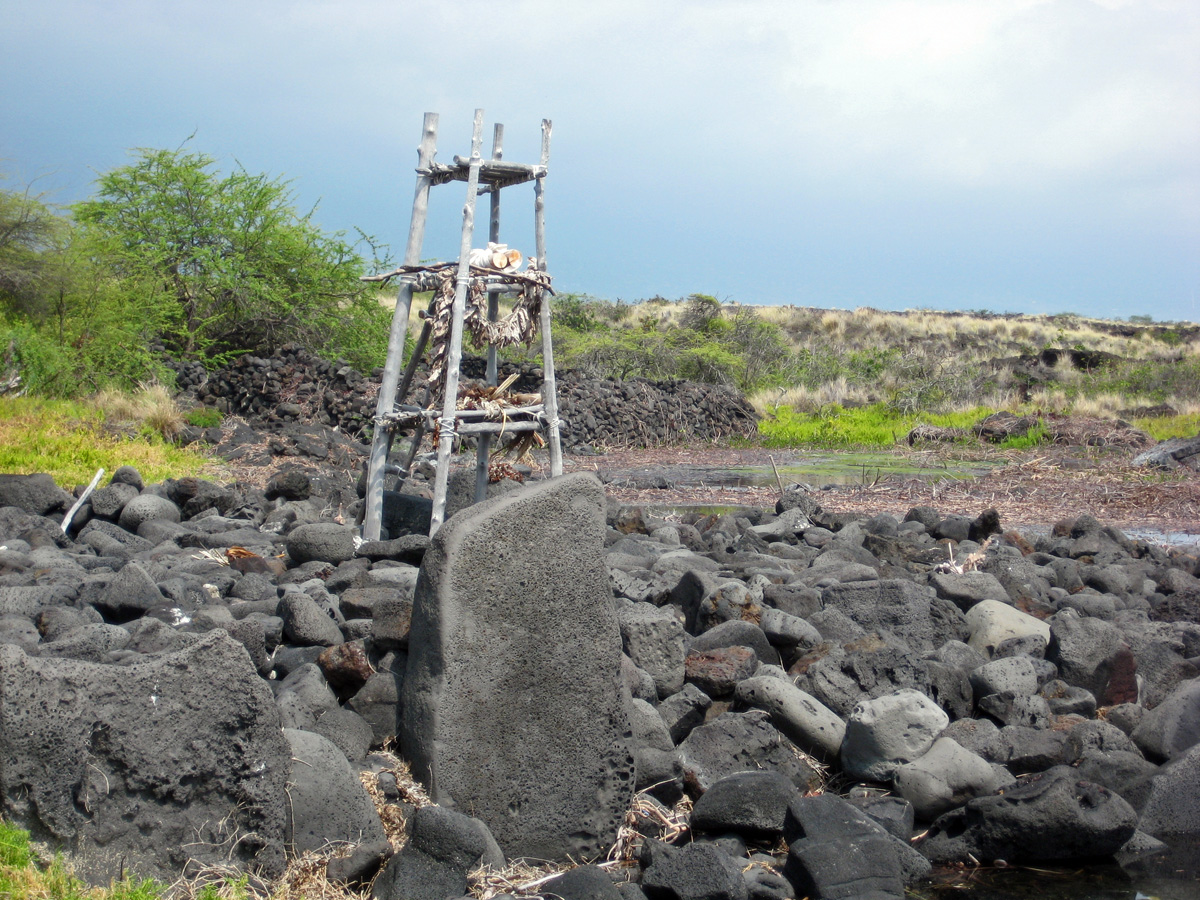
Formerly known as a lifeguard tower, at Honokohau beach.  I think this was put up with tongue in cheek.

Formerly known as a lifeguard tower, at Honokohau beach. I think this was put up with tongue in cheek.

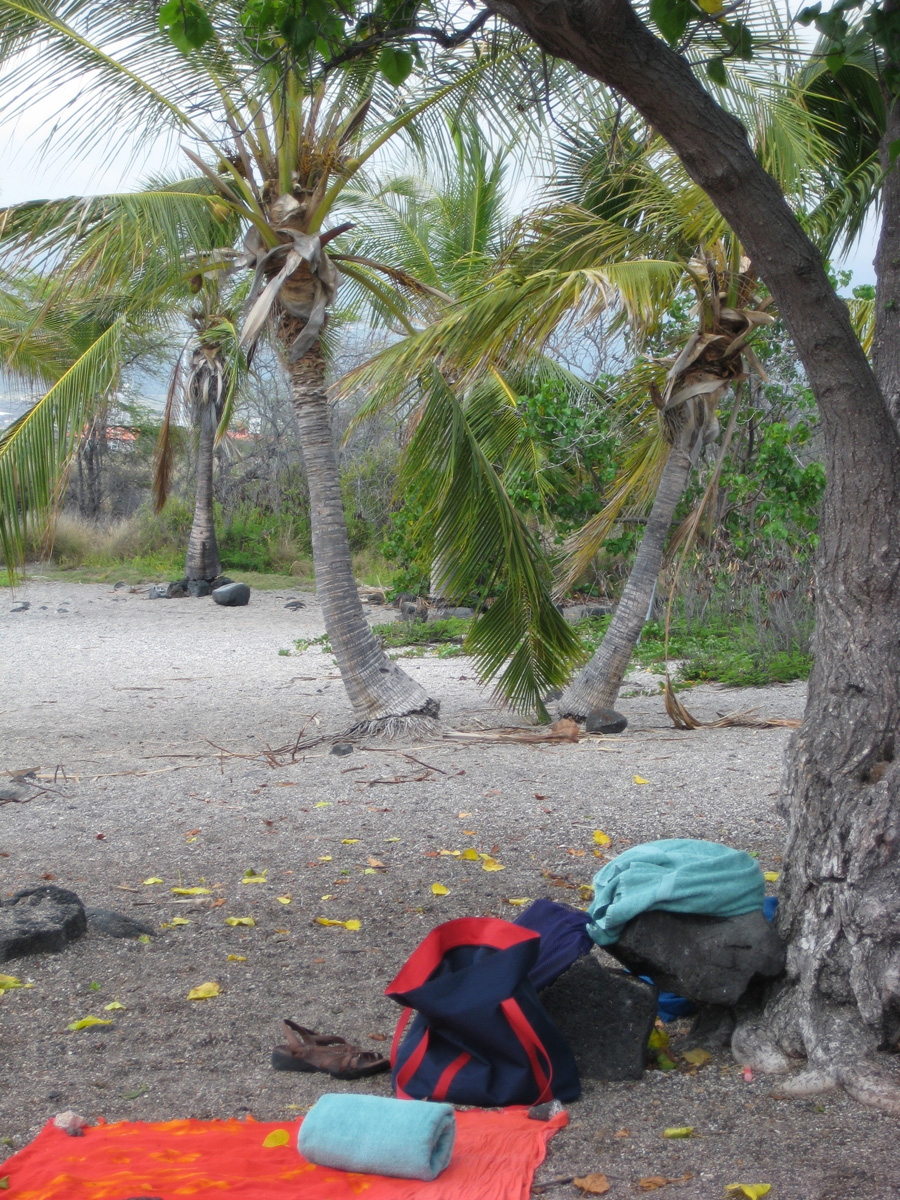
The sand and palms at the little Honokohau beach.

The sand and palms at the little Honokohau beach.

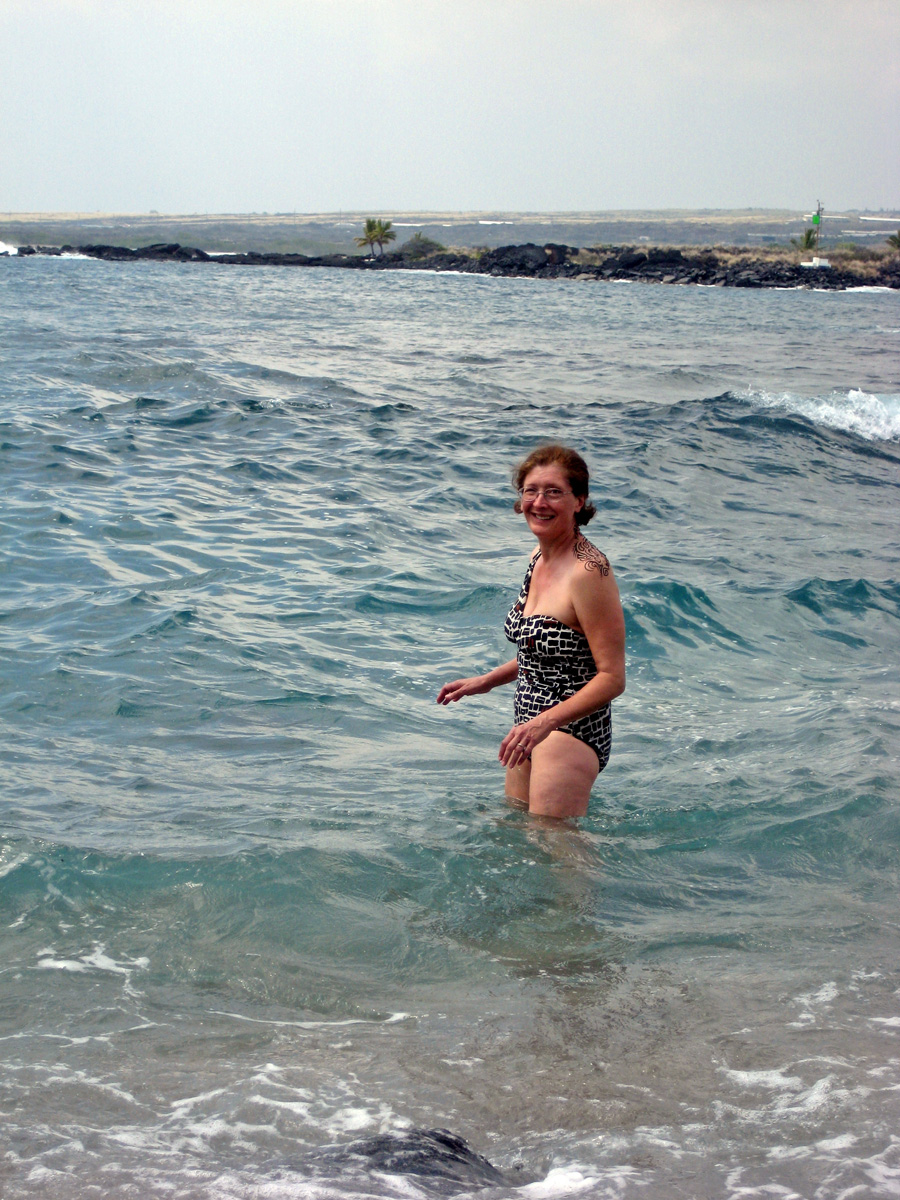
Testing the water, in a sandy spot.

Testing the water, in a sandy spot.

Our search for an ideal snorkeling experience did not turn out as we hoped.  The next time we are in Kona, we’ll know how to get to the “two step” beach at Honaunau Bay.  That evening, though, we had plans for another expedition.  Kona is well known for night time viewing of manta rays.  In fact, the guy at Boss Frog’s said if we see the Mauna Kea, see lava, and see manta rays, we’ve done the big three items on his list of the best of Hawai’i.  We arranged to go out with Sea Paradise tours, for the boat ride out to what they call “Manta Ray Village”, out of Keauhou Bay.

Awaiting darkness in Keauhoa Bay, before boarding the Hokuhele for our trip to see mantas.

Awaiting darkness in Keauhoa Bay, before boarding the Hokuhele for our trip to see mantas.

The boat trip is a short one, only about 20 minutes.  One checks in at their office about an hour before the trip, to sign the inevitable legal release and get fitted with a wet suit.  Everyone shucks their shoes before getting on the boat.  As they motor out to the spot, one of the hands on the boat gives a brief lecture about manta rays.  It turns out they eat only plankton, can be quite large in size with wing spans up to 14 feet, and will often turn flips as they eat up the plankton.  The plankton are attracted to the lights attached to a boom, similar to moths being attracted to light, which then pull in the mantas  The boom is a long contraption with floats and attached lights.  The thirty or so members of our party were provided  masks and snorkels, and led down a stair into the water.  We were directed to line up along the boom, with our hands outstretched on the boom and a “noodle” float under our feet to keep us suspended, so we wouldn’t touch the mantas.  It was a bit eery being out in the dark water, with only the light from the boom shining down.  True to our captain’s word, the plankton massed under us, their tiny bodies in constant motion as their cilia propelled them.  After watching and waiting for about thirty minutes, while all those delicious plankton cavorted like a Vegas stage show, no hungry manta rays wanted to show up.  We gave it another twenty minutes.  A woman opposite me on the boom had a very large underwater camera, the type professional divers use, but it was of no use that night.  Before the hour was up, we were all back on board the boat, stripping out of our wet suits, and trying not to be upset that we had not seen a single manta ray.  The captain and crew were very nice, and assured us that this is a rarity.  In fact, they had just seen several mantas the night before.  One let slip that their hit rate for mantas was 88%, so one in eight trips is a dud.  No matter.  Kat and I realized that these are wild animals and cannot be commanded to show up.  The company did allow us to sign up for another trip, which would be two days later.

After disembarking, we headed back to our hotel, then went out for a late supper.  We wound up at a Thai restaurant which was okay, not great, but did know how to make a passable green papaya salad, although the papaya was not really green, more ripe.  We then walked back to our hotel, passing along the sea wall where the waves splash over onto the sidewalk, tired from a very active, if not so productive, day.  The next morning, we needed to get up very early for the trip to the other side of the island, and our first encounter with a zip line, which will be covered in part two.  Stay tuned….

Daytime view of the sea wall and the Kamakahonu Bay

Daytime view of the sea wall and the Kamakahonu Bay

Character of the Torrey Pine

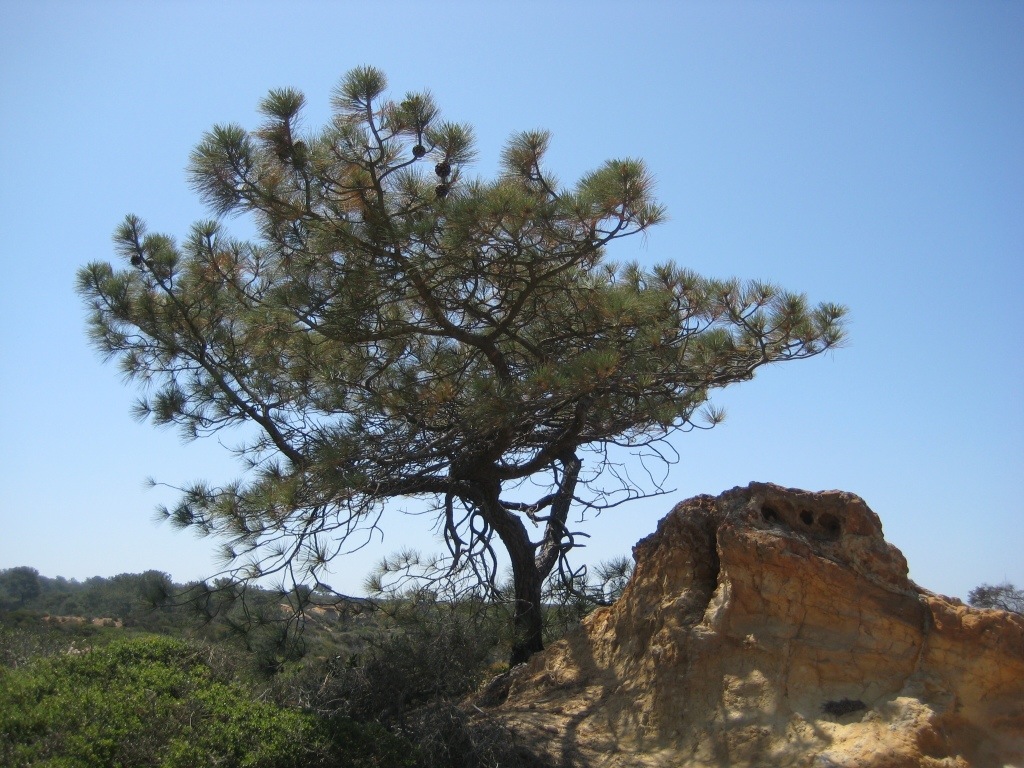
What makes the Torrey Pine so special? According to Hank Nichol, writing in “Nature Notes”, it is not the rarest, oldest, largest, or most useful pine. It is not even on the endangered species list. Yet, it stands out as a survivor in a particularly unforgiving environment. It grows on the sandy bluffs of the cliffs overlooking Torrey Pines State Beach, in dry, sometimes draught conditions. It withstands harsh sun, wind and storms, adapting to the conditions by growing bent and turned to protect itself. As Mr. Nichol put it, this tree, like some people, has character, developed during hard times.

A Torrey Pine, shaped by the forces of nature.

A Torrey Pine, shaped by the forces of nature.

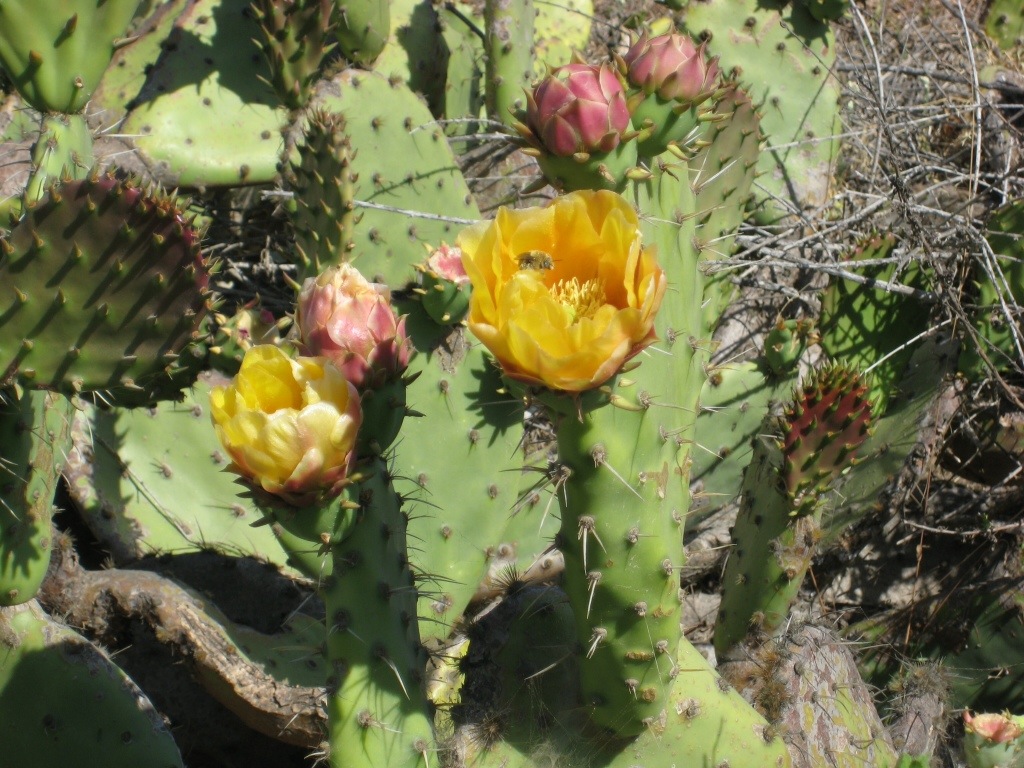
We had the opportunity to get a close look at these pines, along with other interesting vegetation, along the hiking trails of the Torrey Pines State Natural Reserve. The reserve is just north of La Jolla, along the coast of the Pacific Ocean, in San Diego County. There is parking on the highway alongside the beach, but it fills up early with cars and vans of people out for an early morning walk on the sand, those going surfcasting for sea perch, corbina and other surf fish, and gnarly looking types who just seem to live at the beach. Other parking options include the lot to the south, closest to the reserve, and the lot to the north, off Carmel Valley Road , both of which require a parking fee of $10 or $12 depending on the day of the week. The hike begins at the south parking lot, and starts with an ascent up a paved road. It is a steep climb, and if the sun has broken through the morning fog, quite warm and dry. Prickly pear cacti grow in large bunches along the road, between other typical chaparral. I was happy to see the bee in this one’s flower, showing there are still wild bees out there in nature.

Prickley Pear in Bloom

Prickley Pear in Bloom

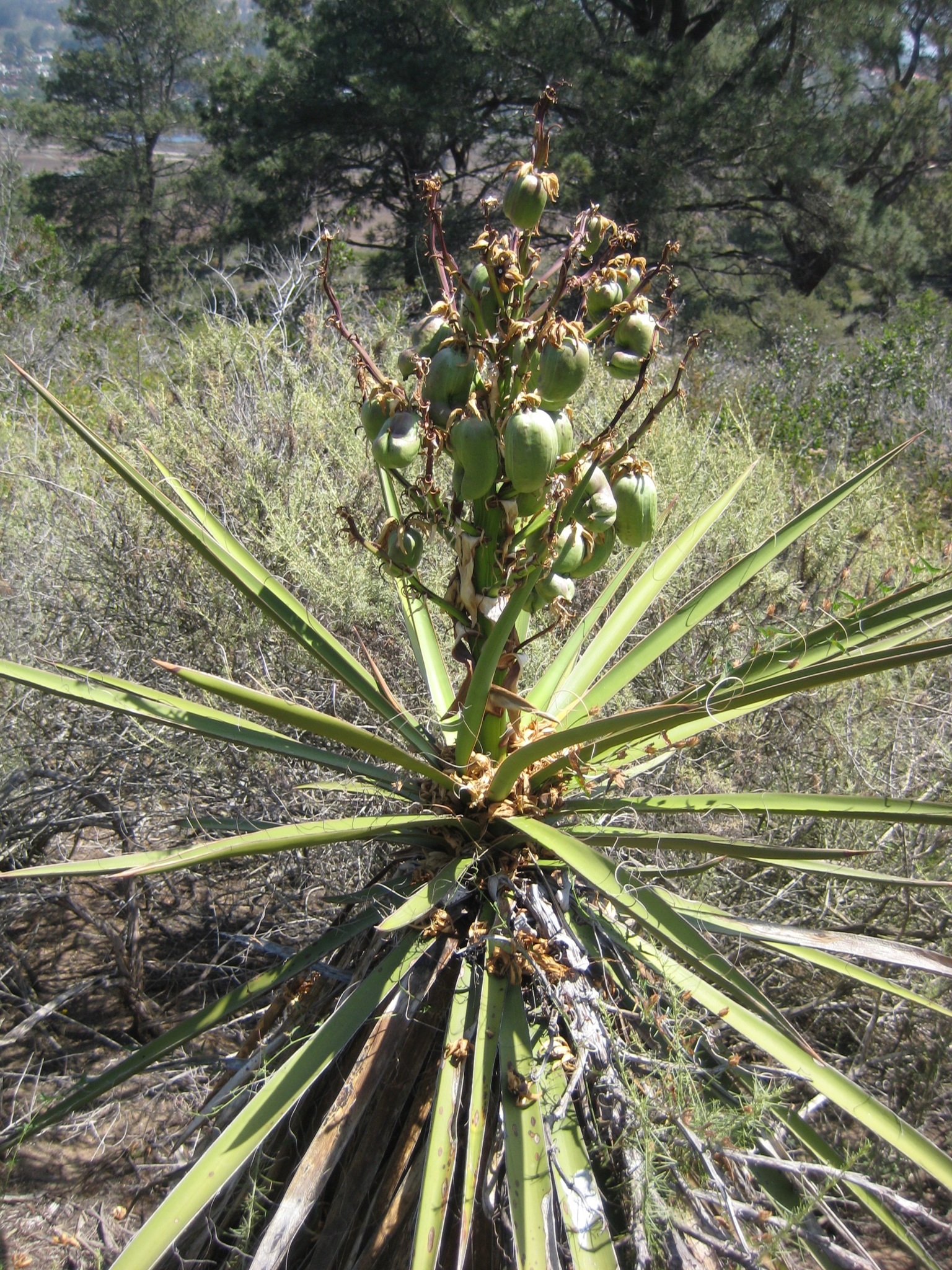
Also found on the land side of the cliffs are mojave yucca, which have a long history of being used by aboriginal americans. The long, blade-like leaves were used to shred for fibers for rope and sandals, the seed pods were eaten, and the roots used to make soap.

Mojave Yucca.  The fibers were used for rope and sandals, the flowers eaten, the seeds ground for flour, and the root used to make soap.

Mojave Yucca. The fibers were used for rope and sandals, the flowers eaten, the seeds ground for flour, and the root used to make soap.

Another form of the prickly pear, which I had not seen before, is the prickly pear tree.

Prickley Pear Tree.  A cactus on a tree trunk.

Prickley Pear Tree. A cactus on a tree trunk.

As one gets to the top of the road, and before turning onto the trails along the cliffs, one passes the Torrey Pines Lodge. It is a very nice hotel in a beautiful setting.  The hiking paths are well marked, and it is clearly shown on signs that straying off the trail is not allowed. The surface of the cliffs is very susceptible to erosion and the plant life is needed to stabilize the cliffs. Large fissures do occur from time to time, and huge slabs of sand and boulders can come down in a flash. Another interesting plant seen along the trail is the yerba santa, which has soft furry leaves and a very interesting aroma. Like yerba mate, it can be used to make tea, or as a seasoning. The leaves also can be dried and smoked.

Yerba Santa, or holy herb.

Yerba Santa, or holy herb.

As the trail winds it’s way closer to the ocean, the village of La Jolla can be seen in the distance, along with another of the eponymous Torrey Pines. The pine cones are very large, and the seeds edible, although one is not permitted to take anything from the trail.

A larger Torrey Pine with La Jolla in the background.

A larger Torrey Pine with La Jolla in the background.

There are some nice opportunities along the trail to get a great view from on high of the beach. Here, my daughter and I stopped to admire the view.

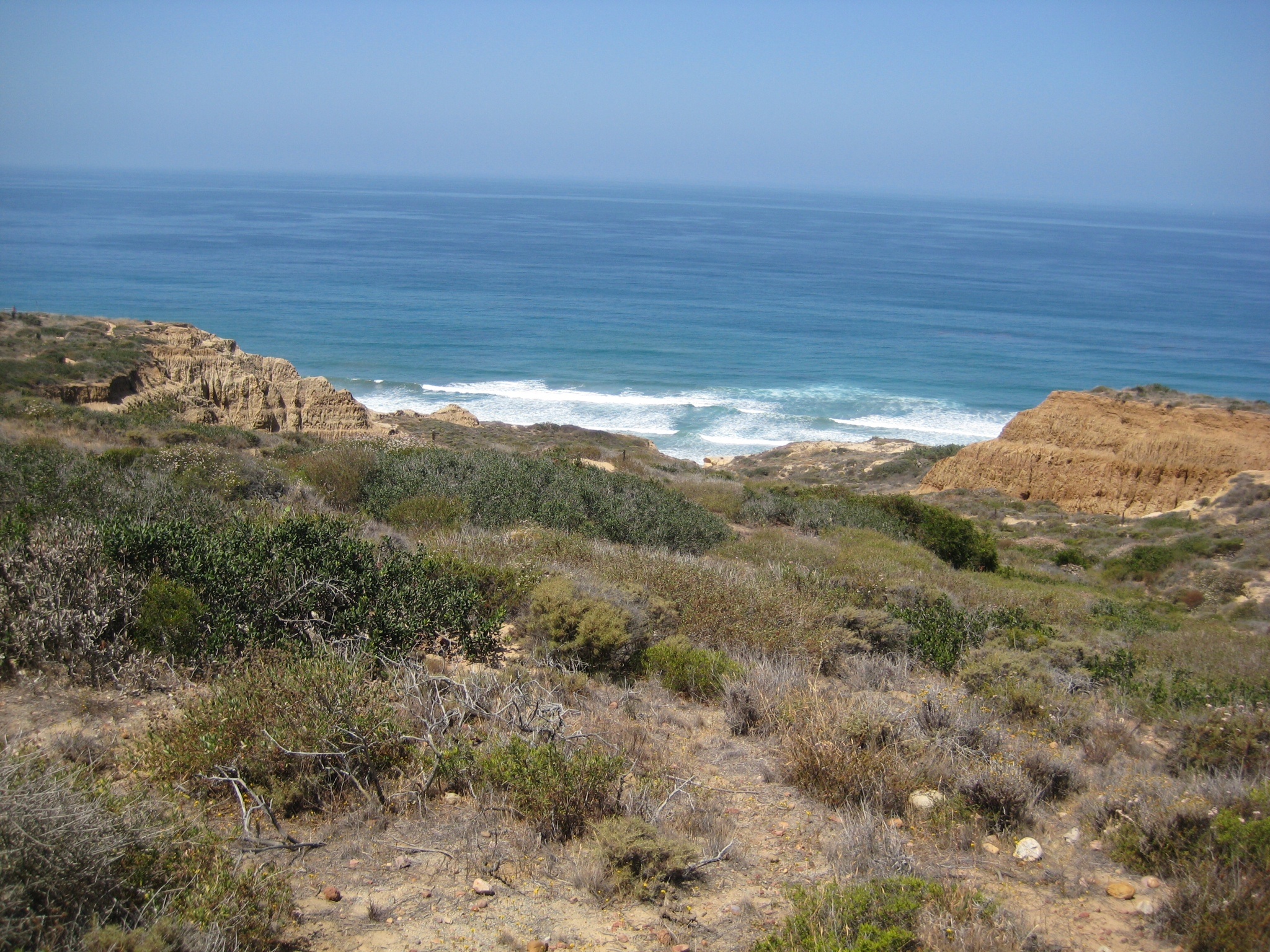
On a sandy rise, a nice view of the Pacific Ocean.

On a sandy rise, a nice view of the Pacific Ocean.

The last stretch of the trail is really the only tricky part. As one descends towards the beach, there are a couple of sets of stairs, carved from the sandstone and covered in loose sand. These are slippery when dry, and would probably be a lot worse when wet. The trail ends on the sands of Torrey Pines beach. It is a very interesting look at a sensitive and unique ecosystem which is constantly changing, due to the effects of nature.

On the trail down to Torrey Pines Beach

On the trail down to Torrey Pines Beach

The last segment of the trail is several stairways which finally end on the beach.

The last segment of the trail is several stairways which finally end on the beach.

The wind, sun and rain form interesting sculptures of the sandy cliffs above Torrey Pines Beach.

The wind, sun and rain form interesting sculptures of the sandy cliffs above Torrey Pines Beach.

This is my favorite beach in San Diego. It is easily accessible, stretches for a couple of miles, has great waves for surfing, body surfing or boogie boarding, and has nice opportunities for surf casting. If one walks south along the cliffs, eventually one reaches a narrow spit of sand which is often under water at high tide. Around here there are tide pools with small crabs and sea anemone. Beyond this spit is Blacks Beach, the infamous nude beach in San Diego. Walking north, one returns to the start of the hike, and where most of the visitors congregate. We spent the rest of our morning here doing a little fishing (caught some sun, no fish), throwing the Frisbee, and enjoying the sound of the waves.

There’s Better Days A-comin’

Been through some rough times lately.  Things were going okay, in fact I was looking forward back in April to running Phillie’s famous Broad Street Run on May 5 .  With only a week before the race, I was coming off a week of hospital call.  That always requires some recovery time.  But this week, which ended April 21, was particularly rough.  In a short phrase, there were a lot of sick folk.  The following week, I seemed to be coming down with a virus.  I developed shaking chills, fever, muscle aches, in other words all the typical viral symptoms.  Oddly, though, they also seemed to come and go.  One half of a day I would be in the grip of the ague, then a few hours later, I’d feel back to my normal self.  By the end of that week, it seemed to have passed.

That was just hopeful thinking.  The following week, the virus changed it’s tactics and decided to attack my intestinal tract.  While I no longer had the shakes and chills, I couldn’t eat anything without it seeming to pass through me in two hours, and not stop to get absorbed.  So, I stopped eating, took only tea, and managed to make it through the next few work days without cancelling anything.  At the same time, my trial was about to start.  As a physician, I was being sued by one of my patients for allegedly going outside the standard of care and causing her harm.  This trial had been scheduled originally last September, then October, then November, and then February.  Each time I was told I needed to cancel all my usual clinical duties and be present at the courthouse.  I would need to testify, but also be present to listen to all the other testimony of expert witnesses.  A colleague of mine was also named in the suit and would likewise need to suspend all his activities.  Each time the trial was scheduled it was cancelled for the lawyers’ or judge’s conflicts with other trials.  This time, starting Thursday of the week when I’m in the throws of my GI hullabaloo, I was told it was definitely going ahead, since it was the oldest case on the judge’s docket.  Thursday was jury selection day.  I presented to the courtroom as instructed, and jury selection commenced.  It took a full day, but a jury of eight was chosen.  Meanwhile, I was getting a bit weak, having no real food for two days.  Not wanting to run in and out of the courtroom, I didn’t dare try to eat something that day.  The actual trial was not to start until the following Tuesday.

By Friday, the evil GI virus seemed to have run it’s course.  I was able to take in solid food again, and start to rebuild my strength, which had taken a real dive.  By Saturday, I was still feeling a bit dizzy and washed out.  But the Broad Street 10 miler was coming up Sunday, and I really wanted to run it.  It’s a big event in Philadelphia, with over 40,000 registered.  It’s the largest 10 miler in the country, and a big celebration.  This year, it would also stand as a tribute to the Boston Marathon and the awful events that took place there a few weeks earlier.  So, Saturday morning I went to the expo to pick up my number.  Sunday, I joined my fellow club members at 5:45 AM to carpool to the race.  It is a point to point race starting at North Broad Street, and heading straight down 10 miles to the end of Broad Street at the Philadelphia Naval Yard.  The only turns are around the Philadelphia City Hall, which sits in the middle of Broad Street between the five and six mile points of the race.  It’s known for being a fast course, and many of the speedier, younger runners look for a sub-one hour time.  We parked near the end of the race in the sports arena parking lot, and joined our fellow runners on the Broad Street subway heading north to the start.  It is an interesting site to see several thousand runners cramming the subway trains in their running shorts and singlets, numbers on.  It is not the usual workday subway scene.

The organization of the race was superb.  It went off on time, the corals were well organized, and even the increased police presence was organized and really not intrusive.  I could tell though, that this was not going to be a record setting year for me.  I probably should have listened to my body, as they say, and not run, because of being so ill the week before.  I was never really able to get into gear and push myself, and as I was coming up to mile nine, one of my friends from another club passed me and said I looked like I was “hurtin’.”  I made it across the line in 1’23”, much slower than I predicted.  But it was a nice day for a race, and I joined my club members afterwards on the grounds of the naval yard, to drink water and have a nice, fat Philly pretzel.  Our goody bag after the race also included a couple of Tastykake bars and some Peanut Chews (designed to pull fillings and destroy dental caps), all products of Philadelphia.

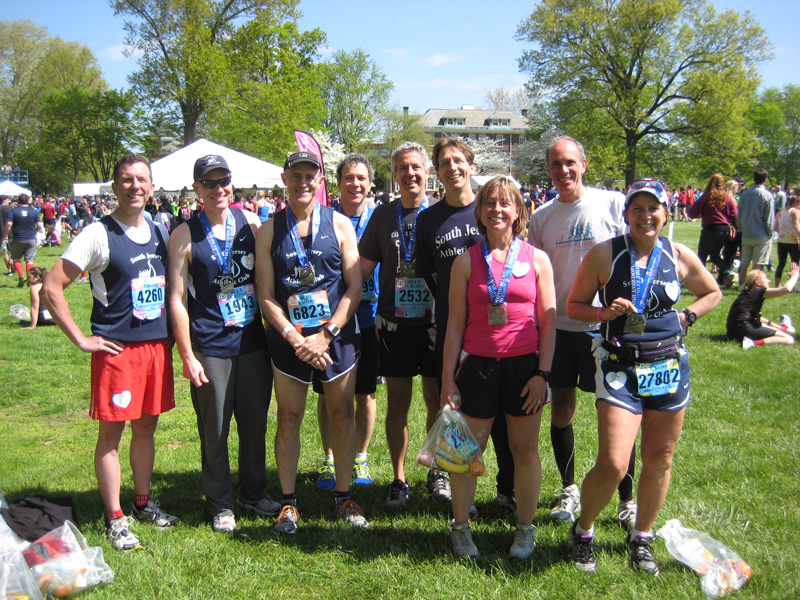
Some of our SJAC club members at the Naval Yard after the Broad Street Ten Miler, 5/5/13

Some of our SJAC club members at the Naval Yard after the Broad Street Ten Miler, 5/5/13

The following day, Monday, was not a trial day, so I had cases scheduled all day in the OR.  At the end of the day that day, I noticed my hands and ankles seemed to be swollen.  I woke up the next morning with the swelling even worse, and I seemed to be having a hard time walking.  I went to our usual Tuesday morning conference at the hospital, then headed to the courthouse for the trial to start.  Everything felt tight.  My watch, which usually dangles a bit on my wrist, was stuck in one spot and making an impression on the skin.  My shoes felt tight.  When I made a fist, my skin looked taught over the tendons, and I couldn’t see them clearly as I usually would.  My co-defendant and I sat through the first day of testimony, paying attention to the plaintiff, taking notes, and discussing things with our lawyer.  That afternoon, though, after court adjourned for the day, I headed back to the hospital to make rounds.  I found my own physician on rounds, and told him about my week of GI bug, the race, and now the swelling.  He thought it could be some acute kidney injury, or a post-viral syndrome, and had me get a few blood tests.  I actually carried through with the tests, although as a doc, one must write one’s own prescription for these things.  The following morning I found out that my BUN and creatinine, measures of kidney function, were above normal, and my CPK, a measure of muscle breakdown, was on the high side of normal.  Texting this info to my physician, I was told it looked like I had suffered a bit of acute kidney injury, probably from racing after a week of little or no food, and that with proper hydration and time I would recover.  This is very scary.  I should have known better, and not run the past Sunday.  I was definitely foolish, but had gotten drawn in because of the commitment to run and the nature of the race.  I did as told, stayed well hydrated, and slowly recovered.  By Friday we had heard most of the experts testify, and it was now our turn to take the stand.  My co-defendant went first and did a good job answering sometimes difficult and lengthy, convoluted questions.  I looked forward to being able to give my story.  I hoped the jury would not only believe me, but feel I had done the best for the patient.  This is an anxiety producing position to be in as a surgeon.  I feel perfectly comfortable in the OR, but not in the courtroom.

That weekend was Mother’s day weekend.  My wife and I took a short trip to visit a friend in Mt. Kisco who is leaving for the West Coast, and a new job in Silicon Valley.  It was a very relaxing two days.  I got in a run on Sunday, in the hills near the Hudson River. We visited my younger daughter and son on the way back home, and drank a happy Mother’s day beer.

Kat and Dan at his house in Mt. Kisco.

Kat and Dan at his house in Mt. Kisco.

We were back in court Monday for the last of the expert witnesses.  Tuesday was the day for the attorneys to give their final arguments.  It took the judge about two and a half hours to give the jury their instructions, which were fairly complex.  They had to consider whether they thought my co-defendant and I had deviated from the standard of care, each of us separately.  If so, they would need to decide to what percent her pre-existing conditions contributed, how much her pain and suffering were worth in dollars, to what degree we had contributed to that, and several other issues of reward should we be found at fault.  As it turned out, they took about an hour to decide that both my co-defendant and myself had, in fact, done the right thing, and were not guilty of negligence or failure to perform according to standard of care.  I had already left the court because I needed to get back to the hospital.  When I got the call from my lawyer that we had won, I was elated.  I was not happy because we had beaten the other side.  I was very disappointed the patient felt we had not done well by her and that she needed to sue.  I was happy because we had successfully shown to a lay jury that we had done, at the very least, an acceptable job within the standards of care.  Was this a Pyrrhic victory?  This comes from the Greek King Pyrrhus of Epirus, whose army suffered considerable losses in defeating the Romans in 279 BC.  He felt that if he had to fight another battle, he could not, as the toll extracted would be too great.  For me, taking the two weeks away from my usual work does not really harm me, other than the anxiety it produces.  The patients that depend on me have to wait, a number of surgeries needed to be postponed, and it’s not possible to make up for that lost time.

With a strange virus that took a long time to run it’s course, causing mayhem in the process, to a “touch” of acute kidney injury perhaps brought on by my own foolishness, to having to defend myself in court, it has been a tough few weeks.  I know I’ve learned a lot from the experiences of the last several weeks, I just haven’t figured out what I’ve learned so far.  Now, though, I can return to my usual schedule, get back to work and get things done.  That is, after I return from a trip San Diego to see my oldest daughter graduate from her MBA program.

Frank K.


Turning 59…

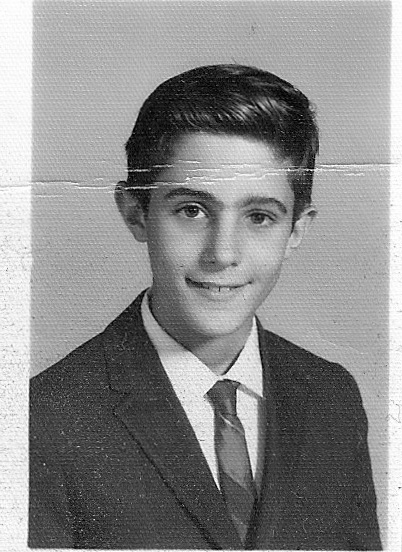
Nov. 66…ain’t that special.  It’s not one of those banner years, like 18, when you get to vote, and can join the army.  Or 21, when you wait until midnight the night before, then whip out your drivers license in the bar showing you are now of legal age to imbibe liquor.  Why it’s okay to kill or be killed for your country at 18, but not have a beer, is one of those mysteries of society I will never understand.  If I stretch my memory way back to the earliest birthday I can remember, I probably was 6.  But, I also probably only remember it from the grainy 8 mm movies my dad took of the birthday party, and along with that, the distinctive sound and smell of the projector.  The flap, flap, flap of the film at the end of the reel is a lost sound, recognized by us older folks, but unheard in the YouTube age.  In the movie version of my birthday, the films of which lasted only about four minutes each, I was dressed in a cowboy costume, chasing other kids around, and sliding down the slide in our backyard.  My cousins posed for the camera like glamorous stars.  There was a nice birthday cake with six candles, far from the fire hazard I’d require today.  The photo at left is me, far more mature, at the age of 12.  Children are  still very naive at that age, especially in the suburban setting in which I grew up.  The worst that would happen was getting into a fight with one of my friends.  A few punches were thrown, we’d go off and lick our wounds, then make up and get back to our usual cordial games.  Not that I had not known grief.  I had already experienced the assassination of President Kennedy.  In fact, I saw him a few days before the fateful event, on a motorcade in Houston, where we lived at the time.  I recall coming home from school to see my mother very upset, but not really understanding the importance.  I was 9 at the time, three years before this photo.  All of my close relatives were still alive, so I had not experienced death and loss.  I did know something about World War II.  My father had been in the Merchant Marine on an oil tanker that provided fuel oil for the battle ships and destroyers in the Atlantic and the Pacific.  He didn’t speak much about the horrors of that war, but he related some stories of harrowing times under attack by German subs, when an escorting destroyer in his convoy was blown up.  The image of sailors being blasted off the deck clearly made an impression on him, and I picked up some of the fear for their lives these men must have felt.

As birthdays passed, I marched on to my 16th.  Living in Arizona at the time, I was able to get a full, unrestricted driver’s license at that age.  I believe the reason they allowed such young kids to get licenses in Arizona was that it was a lightly populated state, with many agricultural communities, and someone needed to be able to drive pops to the liquor store to stock up for the weekend.  It made for an interesting singularity, though.  We moved to California that year, and while the driving age there was officially 18, 17 and a 1/2 for a permit, they recognized my Arizona license and gave me a full license in California.  I was the only kid my age in high school to have a license, which made me pretty special.  While this held me until I was 18, the drinking age was 21 in California, but only 18 in Arizona.  I took a road trip back to visit friends in Scottsdale when I was 19, and the first thing I wanted to do was get a drink in a bar.  My experience with liquor to that point was very limited.  I had sips of my grandfather’s beer from time to time, Rheingold, and my parents drank the cocktails of the day, the martini and manhattan.  As a child and teen, my parents would have parties with the obligatory mixed drink cart, cigarettes in attractive boxes about the room, and fancy lighters which doubled as decorative accents.  So, when I hit the bar with my friends in Arizona, I hardly knew what to order.  I settled on a scotch on the rocks, having heard of that drink in a movie somewhere along the line.  It burned my throat, and I don’t think I was able to finish it.

Around this time, though we were still in the worst of it in Vietnam.  Shocking photos from war journalists were making the cover of Time and Newsweek, and statistics of soldiers killed and wounded were broadcast on the news.  I signed up for the draft as required, although my parents swore that if I was drafted we were headed for Canada.  Oh, Canada, thanks for being there in our time of need.  As it turned out, my birthday was given a high enough number in the draft lottery so I was not called up either year I was eligible.  I’m not sure what I would have done if I was, probably try to join the Navy.  After the second year of the draft, President Nixon ended our role in the “conflict”, and brought the soldiers home on March 27, 1973, forty years ago.  The war between North and South Vietnam continued two more years, until the North, backed by China, had crushed the South.  The Vietnam War was my awakening to the inhumanity possible in man against man.  Women and infants slaughtered, because they might be abetting the enemy, and indiscriminate bombing and exfoliation of the jungle led to massive protests in the U.S., and  many students who took part were injured or killed for doing so.  When I started my college years at UCSD in 1972, the campus was still reeling from the May, 1970, self-immolation of George Winn, Jr, who was a graduate student at UCSD and was protesting the war.  While terrorism hardly started in the 1960’s, it was in the late sixties and early seventies that the term terrorists seemed to become well known.  Bruce Hoffman, a specialist in the study of terrorism at Georgetown University, defines terrorism to include several features including that it is conducted by an organization with an identifiable chain of command.  His definition can be found in this Wikipedia article.

Through college and medical school, birthdays seemed to fly by.  No longer the cause for a gay party with balloons and cone hats, they more marked our stages of development as adults.  At 25, one is considered old enough to be more responsible behind the wheel, and the auto insurance costs go down.  At 29, one is on the verge of losing youth, and everyone seems to want to be 29 for a long, long time.  Come 35, one should be married, have a job, and some kids.  Work becomes an every day responsibility, as we take on the raising of children, the house mortgage and all the other obligations of becoming truly adult.

While things were still happening around the world, some wonderful, like space shuttle trips to the space station, or the invention of the car phone (bit of a double edge sword, that), the world also was getting hotter with extremists and their attacks.  Names such as the IRA, Shining Path, Cuban Hijackers, the Red Army Faction, the Unabomber, the PLO, Islamic Jihad, Armenians, Italians, Sikhs, and many others became front page news items for their atrocities.  Yet, with a family to raise and a very busy work schedule as a young surgeon I was much more interested in my immediate circle.  One slightly ironic note was that, as an attending at the V.A. Hospital, I found myself caring for Vietnam Vets whose lives were destroyed back in the 1960’s and 1970’s.  I also took care of vets from the first Iraq war, Desert Storm.

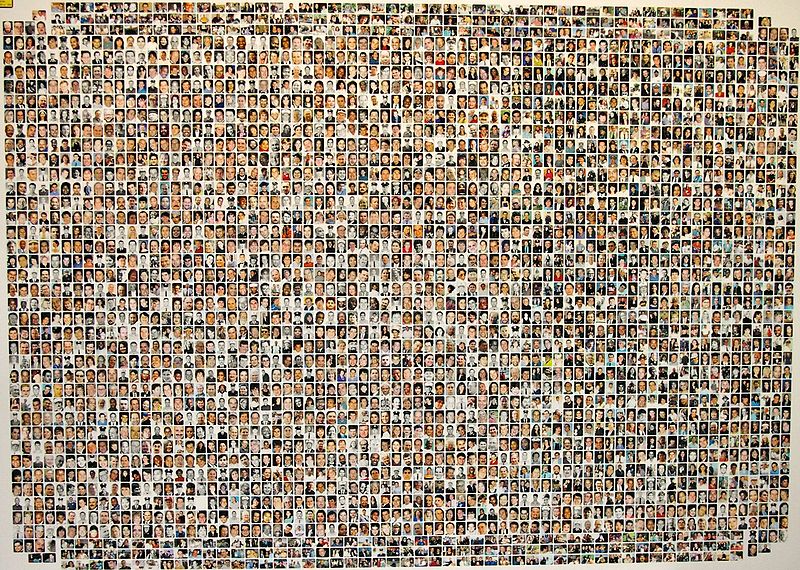
Victims of the 9/11/2001 attack on the World Trade Center Victims of the 9/11/2001 attack on the World Trade Center

We go through stages as adults where we are at first very aware of what is going on in the world, and want to do something about it.  We protest, join the peace corps, and are activists politically.  Then, we knuckle down to raise a family, provide for the family, and deal with the everyday little problems that fill our world.  As the children become independent adults, we again get more involved with what is going on in the world.  The US has been lucky lately, situated where we are between two big oceans and two friendly neighbors north and south.  We have not had the daily threats of violence experienced by those in the middle east, Europe, Asia and even South America.  The attacks of 9/11 woke us up to the fact we are not immune to horrific terrorism, just rather well insulated.  We also have had a large number of senseless home-grown attacks by gun wielding psychotics, or attacks like the Okalahoma City bombing in 1995, politically motivated but not from an organized anti-government force.

Frank at Boston, 2011. Frank at Boston, 2011.

The Boston Marathon occurs a week, or at most almost two weeks, before my birthday.  For me what this means is I will never run it at the peak power of my age group.  I will always have to qualify for a year into that age group.  As I’ve reached my 59th year, I can see that I no longer can run with the speed I had ten years ago.  It doesn’t sound very old, 59, but the legs don’t lie.  I had the humorous experience of seeing one of my patients of many years, perhaps twenty, in the office the other day.  While she still looked fit, I thought to myself, “my, she seems so much older than I remember her when she first came to see me”.  She must have caught wind of that thought, and said out loud, “you are really looking pretty old”.  I laughed out loud, realizing we both must have been thinking the same, that we really have changed as we got into our late fifties.  From inside my body looking out, I don’t feel old.  In fact, I feel the way I perceived myself looking perhaps twenty years ago.  But, take a look in the mirror, and that older individual looking back, the one I don’t recognize, is definitely me.

The bombing at the Boston Marathon was such an awful, unexplainable attack, and when it happened, I found myself in shock.  I was not there this year, but had very close friends there, many of whom would have been crossing the finish line within minutes of the bombs going off.  It took quite some time before we back home found out that all of our friends were alive and had not been injured.  I am so thankful for their sakes and for their worried families.  The attack, though, seems not to have a thought behind it other than to be some kind of copycat attack.  It is one thing for Chechens to want to attack Russians, who have politically dominated them, or for the IRA to lash out at the British.  Inexcusable, and not productive, but the reason behind these attacks, or of myriad other terrorist attacks, is not mysterious.  This incident must have had it’s intended consequence, to make us fear for our lives and limbs on a daily basis.  But it does not carry forward any particular agenda and so becomes just a very awful, desperate and destructive act.  I feel a little sorry for the young man who aided his brother and now has lived to face the punishment.  In the picture that emerged of his pre-bombing life, he does not seem like someone hell-bent to cause pain and death.  Nevertheless, I feel much greater sadness for the victims of his heinous crime, the families of those who died, and the ones whose limbs were blown off them, and who now must learn to live a completely new and more difficult life.  Ultimately, running a marathon is a selfish act, but the outpouring of support one gets at the Boston Marathon shows that we runners have somehow given inspiration to those watching.  I had many a spectator yelling support and cheering me on as I struggled to complete the course and get across the finish line.

So today, on my 59th birthday, not relevant in the list of birthdays, but, for me, a time of reflection, I realize that what we do and say makes a difference.  How we behave and comport ourselves sets an example for others to follow.  If we are mean, and engage in cruel acts and torture, we are setting an example, not declaring some high ground as ours.  While this incident was not the worst attack in recent history on US soil, it is for every individual killed or injured.  I hope we as a country learn from it to be kind, to encourage and to support, not to take revenge and continue a cycle of destruction.

Frank today, with wrinkles. Frank today, with wrinkles.

A Silent Mile

Yesterday was a tough day. It started off wonderfully. I was able to work while watching the Boston Marathon on my computer. The elite women ran a compelling race and the men didn’t disappoint either. Then at approximately 2:50PM, two bombs exploded near the finish line killing three people and injuring more than 180 others.

I’m not going to rehash the details of this gruesome event because we’ve all heard them. It’s time to start healing.

I saw a Facebook post today asking runners to gather at their local high school track to run a mile in silence to honor of the victims. I thought about going, but the 9PM start conflicts with my kids bedtime. Then my wife saw the same post and said I should go. After some hemming and hawing, I decided to go.

Image

It hit me when I put my running shoes on – many of yesterday’s victims may never be able to do what I was about to do – run. I was pretty somber from that point on. I left the house. It was a beautiful night – clear, cool, calm, and quiet. I walked to the end of the block (as is my ritual), started to run, and it hit me again – those victims were no different than me.

These tragic events cultivate fear and anger. I felt both and needed a release. It’s about a mile to the Woodbury High School Track from my house and I was going to run because it makes me feel better. To be completely honest, I had no idea what to expect. Would there be five people there? Ten? 20? 50? I passed the sign for the Underwood Memorial Hospital Emergency Room and my thoughts went back to Boston. What a horrible scene that must have been.

When I arrived, I was pleasantly surprised to see about 30 people. I didn’t know many of them, but they are familiar faces that I see at local races. I saw some people running around the track. I thought it was a little strange, but I know that runners like to run. It makes them feel better.

John Carter, part of the RRCW (Road Runners Club of Woodbury), waited until exactly 9PM and spoke briefly to the crowd. He thanked everyone for coming on such short notice and mentioned that events like this were happening all over the area and they would all be running simultaneously. I looked around and noticed that the crowd had grown to well over 50 people. John reminded everyone that the run would be in silence and we would take a slow pace. He then introduced three people who were dressed in their BAA Boston Marathon jackets and wearing their medals for completing the 2013 Boston Marathon. They heard about the event on the train ride home and decided to attend. John had the 2013 Boston Marathoners take the lead and start us off.

Image

The whole idea seemed a little strange – running a mile in the dark to honor people 300 miles away. But as we ran it felt more and more comfortable. The silence was palpable. After the 1st lap the crowd stretched out and the pace began to increase. It felt good. While making the turn on lap 3, I noticed the flag at half mast.

The pace got a little faster. By the final lap we were breathing hard and sweating and at that point I realized what this meant to me. Runners are comfortable running. Yesterday was awful for everybody here and lacing up our shoes helps us deal with it. Some may not understand that, but that doesn’t make it untrue.

Image

When we finished everyone was still relatively quiet, although breathing heavily. I immediately noticed how much better I felt. Another gentleman thanked the group and said how happy he was that so many came out to run. We dispersed and I made my way to the parking lot.

It was time to run home.

Tony Runs Boston

Tony Walter, after qualifying at Steamtown, 2012 for Boston.

Tony Walter, after qualifying at Steamtown, 2012 for Boston.

Back in May, 2012, a group of us from the SJAC decided we would head up to Scranton for the Steamtown Marathon in October, 2012.  One of our dedicated group, Brian, suggested we should write a blog about the group preparing for this event.  I happened to be the one who moved forward on this suggestion, and the sjacmarathoners.com was born.  Through the hottest summer on record in the Philadelphia area, we trained as a group, sweating, running, sweating some more, wringing out wet socks and shorts, hydrating, rehydrating, and getting in the miles.  Our experiences were documented in our blog.  After the grueling summer, and a bit cooler September, our group headed up to Scranton to participate in the Steamtown Marathon.  It is small as marathons go.  Three thousand signed up, the maximum allowed, and the event was closed to registration by the end of May, which speaks to it’s desirability.  It is also known as a Boston qualifier, since an average of about 25% of runners in this race qualify for Boston.  What this means, though, as I found out, was that it is an elite runners marathon.  The reason so many qualify for Boston is that so many fast runners run this race.  This was evident when we were gathered in the gym at the Forest City high school, waiting for the start.  I had not seen so many Boston Marathon jackets since I ran Boston in 2011.

Tony ran Steamtown with an eye to qualifying for Boston, although he would have been happy just to put in a decent performance.  He needed to hit under 3:40 to qualify.  He also needed for Boston not to be filled up by the time his race was run.  There were a few factors that made this prospect interesting.  One was that the Boston Athletic Association decided to change the qualifying times the year before.  Two years ago, Tony could have qualified with a 3:45:59.  They decided to drop the time for all entrants by five minutes, and drop the 59 second allowance.  That set the new time at 3:40 flat.  In addition, they decided to allow finishers who beat the time by certain margins, 20 minutes and 10 minutes, to get preferential sign up privileges.  Theoretically, one could make a qualifying time but not be allowed to run because all the places were taken.  This happened the year before, when some runners had hit the qualifying time, but there were no places left.  For 2013, an anomaly occurred.  The 2012 Boston Marathon was run under very hot conditions, with temperatures into the high eighties.  Participants at Boston who normally would have qualified at Boston for the following year had times much slower than normal due to the heat, and some actually decided not to run.  This left a few places available still in October, after the Steamtown Marathon.  So, when Tony hit his qualifier of 3:39:06, he was able to sign up for Boston.

At the end of Steamtown Marathon, Tony was beat.  He could hardly move, and when someone in our group offered to get him a drink, he had the look of a zombie as he answered that he really couldn’t say.  Our group went out to eat lunch at a very nice Mexican restaurant in Clarks Summit.  Tony ordered a delicious tortilla soup, which remained untouched as he stared at his bowl not saying a word.  We got a little worried about him, but he still had a pulse and respiratory rate, so we figured he would be okay.  On the way home to the Philadelphia area, he stopped at a rest stop to get some coffee.   Lisa, one of our group, followed him there, just to check on him.  Seeing he was managing alright, she drove on and Tony eventually made it back home.

The next day, he signed up for Boston.  Good thing he did, too, for it filled up by Thursday of that week.

Tony is a terrific training partner.  He seems like he is always in a good mood, and he always has kind things to say about everyone.  He is very steady in his training, and got through the summer having put in the miles, logged the long runs and done the track work to be well prepared.  He kept the rest of us going strong, and set a good example for us.  In other words, he earned it.

Many of my non-running friends have asked, “what is so special about Boston?”  Anyone who has run a marathon knows about Boston.  It is the oldest modern marathon, run since 1897, with the exception of 1918, during the first world war.  It is also a marathon for which one must qualify in ones age group.  The runners are all elite runners who have achieved a qualifying time which puts them in the top echelon of marathoners world wide.  But the best thing about running Boston is the support of the fans, who turn out in droves on the day of the marathon to cheer on the runners.  It doesn’t hurt that the event is held on Patriot’s Day, commemorating the start of the revolutionary war, and, as it happens, a holiday in Massachusetts.  The crowds that line the route, cheering, giving support, and making a lot of noise, especially in the last few blocks before the finish line, make the race a wonderful experience.  And, to make it all that much sweeter, the students from Wellesley, an all-women’s college, come out to offer kisses and high fives to the runners as they pass the midpoint of the race.

Tony will be running his first Boston Marathon tomorrow.  From his training partners back home, who didn’t make it in to Boston this year, we wish him the very best.  This morning, after our Sunday morning training run, a 13 mile route, the group gathered to offer Tony advice.  “Don’t go out too fast (duh…).”  “Go out easy and then back off.”  “Go get ’em, but take your time at Wellesley.”  And “whatever you do, make it across the finish line.”

I would like to ask any one reading this to offer support for Tony and we will pass on your advice and good wishes.

Best wishes to Tony from the SJAC Marathoners back home.

Best wishes to Tony from the SJAC Marathoners back home.

Rocky Run

h-rockyprofile

Haddonfield Rocky Run profile.

Who, according to the Philadelphia Commerce Director, did more for Philadelphia than anyone since Ben Franklin?  Who put South Philly on the map?  And, who ran up the art museum steps in one of the most recognizable movie scenes of all time?  Right, Rocky Balboa!  So, to dedicate a run to our Philadelphia (fictional) hero, we came up with a Sunday run which would celebrate Rocky.

This was to be a point to point run, starting in our home base of Haddonfield, NJ and finishing up the steps of the art museum, with a total distance of 14 miles.  Our choice of this weekend was a bit of a problem for a few of our usual Sunday runners.  Some are running Boston next Monday, and didn’t want to do a challenging long run this close to their marathon.  Some felt they weren’t ready for that distance.  And some were doing a longer run readying for a May marathon, wanted to get in 20 plus mile runs, and finish close to home.  That left seven runners ready to take on the Haddonfield-Rocky Run challenge.

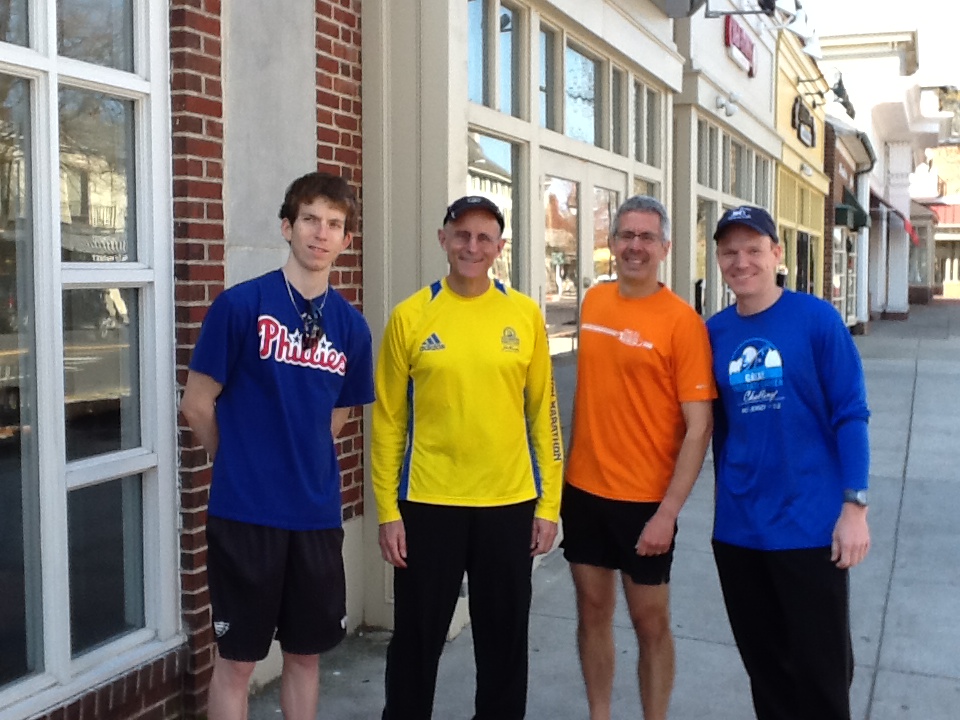
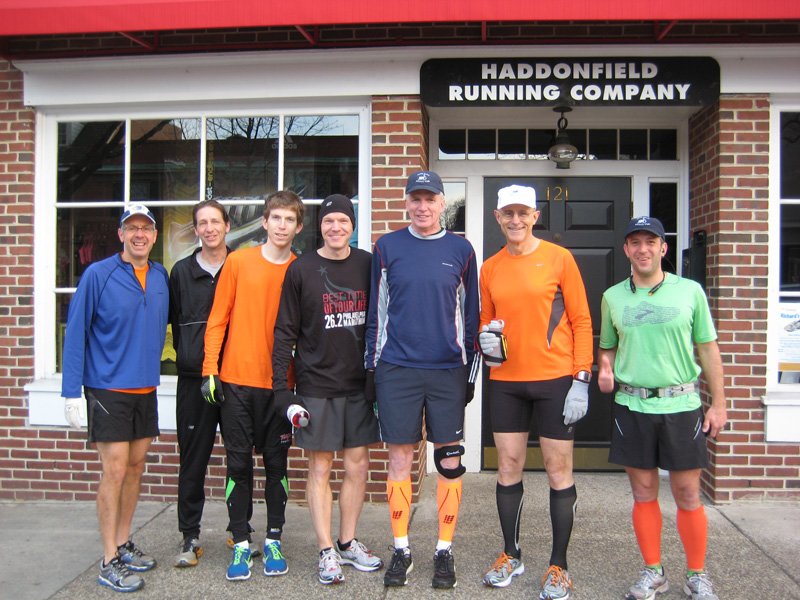
Steve, Dave, Dan Brian, Rich, Frank and Keith, at the start of the Rocky Run.

Steve, Dave, Dan Brian, Rich, Frank and Keith, at the start of the Haddonfield-Rocky Run.

The route started off as our usual Sunday run does, heading west to the Cooper River park.  Then, though, we kept heading west.  Crossing route 130 may have been the most dangerous part of the run.  It’s a busy highway with the crosswalk shut down for construction.  In a marvel of broken field running, we all managed to cross without a single loss of life.  Then, we headed down Admiral Wilson Boulevard.  This road once was home to several notorious stripper bars and hourly rate motels.  When the Republican National Convention came to Philadelphia in 2000, then Governor Christie Whitman had the buildings demolished and the whole area turned into parkland.  While this returned the good name of Admiral Wilson to honor, it also removed sorely needed tax paying businesses from Camden’s base.  We ran down the curvy, paved, path along the Cooper River on one side, and Admiral Wilson Boulevard on the other, towards the City of Camden.  We then headed into the center of Camden, and to Cooper Hospital.  Two of us, Steve and myself, work at Cooper.

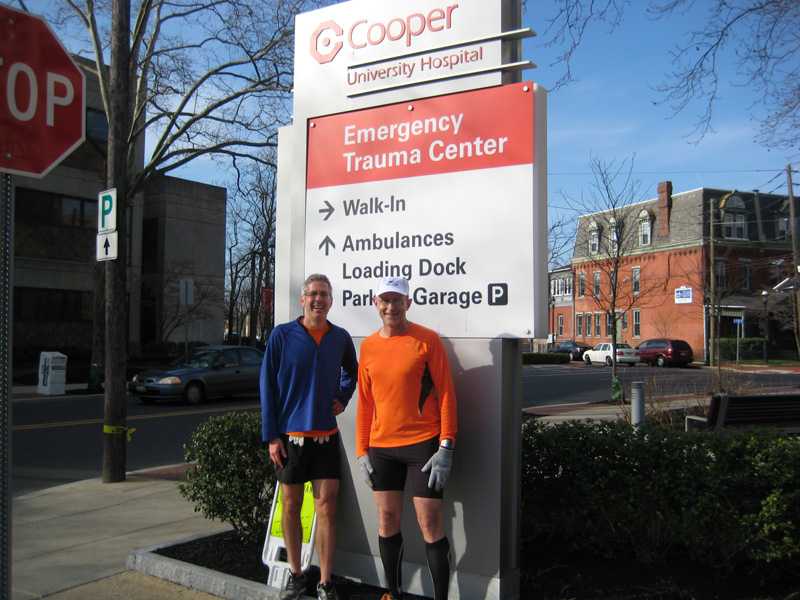
Steve and Frank at the entrance drive to Cooper Hospital.

Steve and Frank at the entrance drive to Cooper Hospital.

We had the audacity to run right through the hospital, starting at one entrance, heading through the lobby to our new Pavilion building and out the other entrance, with a quick restroom stop in the middle.  From there, the route went past Rutgers in Camden and on to the Ben Franklin Bridge.

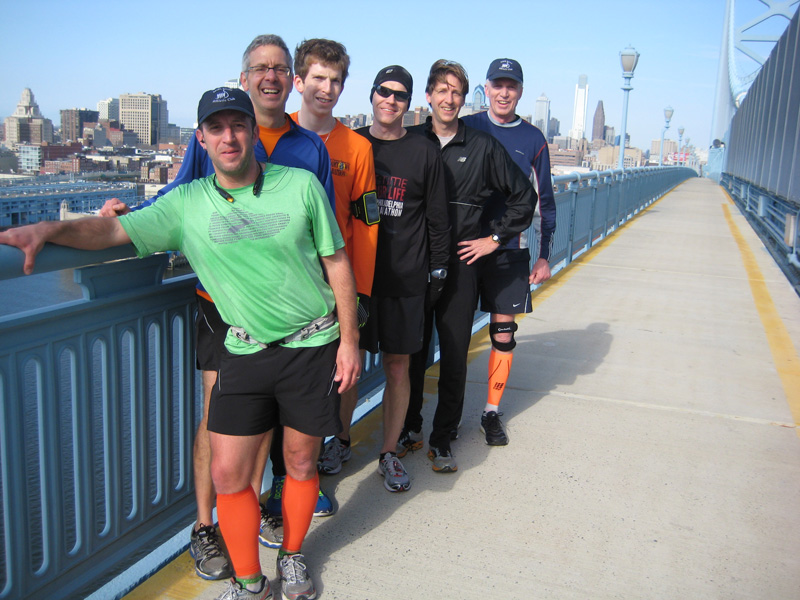
At the high point of the walkway on the south side of the Ben Franklin Bridge, with Philadelphia in the background.

At the high point of the walkway on the south side of the Ben Franklin Bridge, with Philadelphia in the background.

After crossing over the bridge, we headed south down to the Italian Market.  This is where a local shopper tossed an orange to Sylvester Stallone as he ran through the market in an unscripted moment in the first Rocky movie.  The scene was Rocky on his famous run, and was kept in the movie.

Did the orange come from this vegetable market?  Maybe.

Did the orange come from this vegetable market? Maybe.

Alas, there were no fans cheering us on through the streets of what was once called The 9th Street Curb Market.  It is by no means only Italian, although the Italian immigrant presence is strongly felt, in places like D’Angelo Bros.’, purveyors of meats and game, and Lorenzo’s Pizza, my personal favorite for a Philly cheese steak.  There are Chinese, Vietnamese, Korean, and Mexican foods, stores selling every kitchen utensil and appliance one could imagine, and a fine cubbyhole of a shop selling all manner of spices from around the world.  As much as I would have loved hanging out here and visiting my favorite shops, we shot off farther west across Broad Street to 15th.  We then headed north to the Ben Franklin Parkway, and the last stretch of our run.  By this time, the group had splintered a bit.  Steve, Keith and I hit the beginning of the BFP first.

Keith and Frank in front of the Swann fountain in Logan Circle, symbolizing the three major rivers of Philadelphia.

Keith and Frank in front of the Swann fountain in Logan Circle, symbolizing the three major rivers of Philadelphia. The art museum is in the distant background.

From here we shot right down the middle of the Ben Franklin Parkway, and made it to our goal, the steps of the Philadelphia Museum of Art.  This is a hot spot for tourists, and this beautiful Sunday morning was perfect for the run up the steps.  There were several tour buses in front of the museum, and as we approached we could see a couple of hundred enthusiastic visitors vicariously living Rocky’s finishing sprint up the steps.  Rocky collapsed on his first run, but these enthusiastic young people jetted up the steps like they were in a Red Bull commercial.  For us, we were at the end of a long run, but still had a nice adrenaline kick to make it possible to hit every other step on the way to the top.

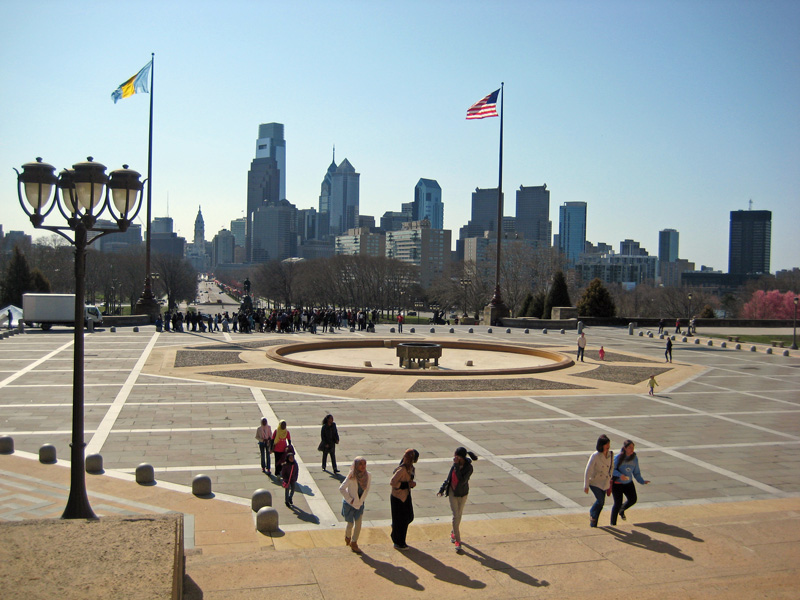
Looking back at Philly from the top of the Art Museum steps.

Looking back at Philly from the top of the uppermost Art Museum steps.

It did seem a little anticlimactic once we had hit the top.  Now what, was my thought.  Partly, the day was so nice that we didn’t have the cold, the heat, the rain or the wind that I thought would make this extra tough.  But then, as I looked around and saw the city, it felt we had accomplished something.

Keith, amidst the columns of the museum entrance, rehydrating.

Keith, amidst the columns of the museum entrance, rehydrating.

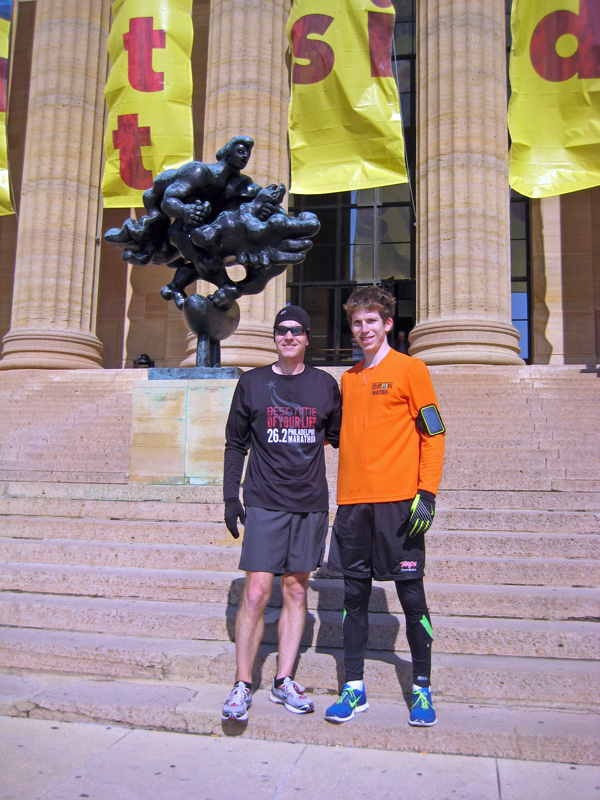
Brothers Brian and Dan on the steps.  The statue behind is Prometheus strangling a Vulture, by Jacques Lipchitz, his take on Hercules taking on the Eagle.  It represents conquering adversity.

Brothers Brian and Dan on the steps. The statue behind them is Prometheus strangling a Vulture, by Jacques Lipchitz, his take on Hercules taking on the Eagle. It represents conquering adversity.

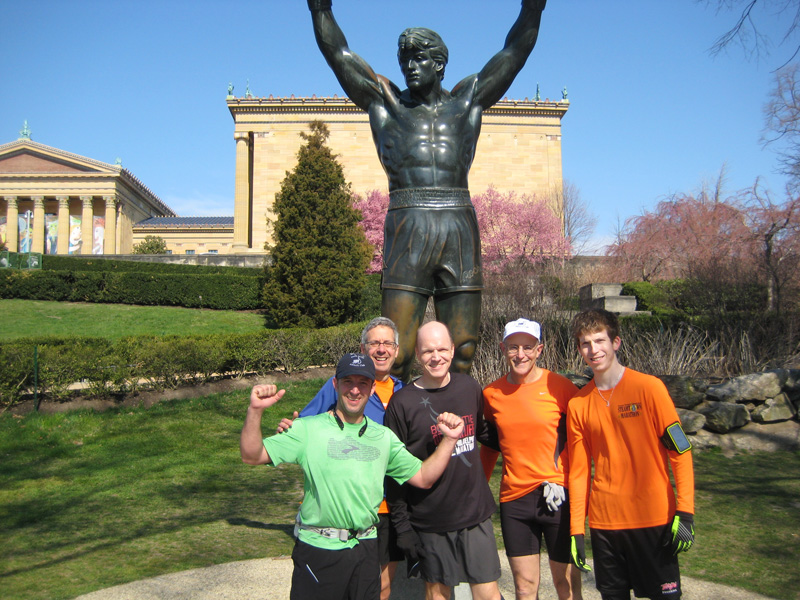
Having reached our goal, we had one more, very necessary task to complete.  We needed a photo with Rocky, the statue, that is.  The statue was commissioned by Sylvester Stallone for Rocky III and initially placed at the top of the “Rocky Steps” in 1982.  But museum folks objected and it was relocated to the Spectrum sports arena.  It was brought back to the museum again in 1990 and 2006, and finally found it’s permanent spot on the grounds outside the museum.  It is one of the most photographed sights in Philadelphia.

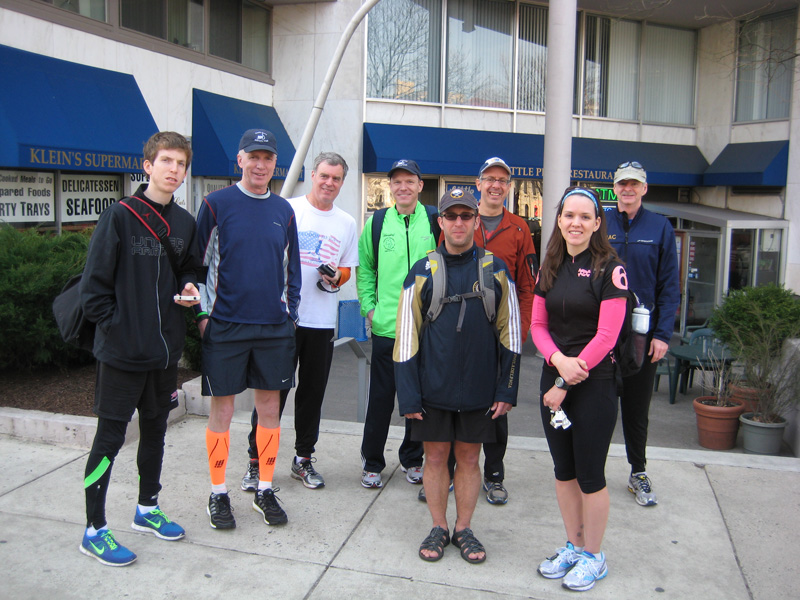
Keith, Steve, Brian, Frank and Dan with Rocky.  Dave helped Rich get to the finish a bit behind the rest of us.

Keith, Steve, Brian, Frank and Dan with Rocky. Dave helped Rich get to the finish a bit behind the rest of us.

After a good run, what could be better than a good breakfast.  We all headed over to Little Pete’s on Fairmont Avenue, to scarf down some pancakes, eggs, sausage and coffee.  We were joined by a few of the others in the club who had gone cycling this morning or run a shorter distance.  Now, we are planning for Rocky II.

Outside Little Pete's, a fine place for a delicious breakfast.

Outside Little Pete’s, a fine place for a delicious breakfast.

Route of the Haddonfield Rocky Run.

Route of the Haddonfield Rocky Run.

Caesar Rodney Half Marathon

Official logo for the 50th anniversary of the Caesar Rodney Half Marathon

Official logo for the 50th anniversary of the Caesar Rodney Half Marathon

Last Sunday, March 17, 2013, was the fiftieth anniversary of the Caesar Rodney half marathon.  This race has an illustrious history, especially since the half marathon distance only became a recognized distance in the early 1960’s with the earliest being the Route du Vin, in Luxembourg in 1961.  The first Caesar Rodney was held April 5, 1964, making it among the first held in the United States.  It was won that year by Browning Ross, from Woodbury, New Jersey, in 1:07:24.  Browning Ross is known as the father of long distance running in America.  He founded the Philadelphia Road Runners Club which ultimately became the Road Runners Club of America.  He also started a newsletter, the Long Distance Log, in 1956, which provided running news to the relatively small and elite group of long distance runners at the time.

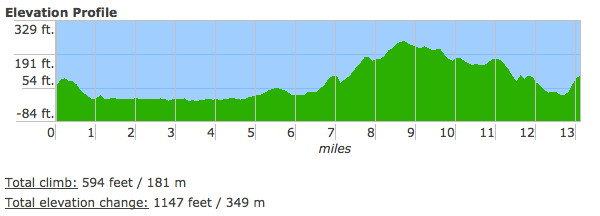
I have run Caesar Rodney six times now.  It was my first half marathon, in 2007, and aside from one Philadelphia Rock and Roll half marathon (formerly the Philadelphia Distance Run), my only half.  The course is a tough one.  It starts in downtown Wilmington, Delaware, at one corner of Caesar Rodney Square.  It then proceeds south, slightly down hill, then flat, through a variety of neighborhoods, industrial areas, under the I95 overpass, and along a small tributary of the Delaware River.  As the route passes back in to the downtown area of Wilmington, the course runs over a curb, along a small parking lot, and along a road where numerous church goers are trying to get to their church.  The celebrants seem to have little forgiveness for the runners sacrilegious activity on Sunday morning.  At this point, though, the runners are nearing the six mile mark and steeling their minds and bodies to the grueling 2.5 mile climb ahead.  The ascent up Park Drive runs along a very attractive public park and another small tributary of the Delaware. Here is where the middle of the pack runners can see the ultimate winner, racing back down the hill already.   At the apex, there is a turn through Rockford Park, and a gently hilly pass through a neighborhood.  After that, the route heads back down the same Park Drive, a relief but still hard on the quads.  The finish is particularly cruel, as the route turns steeply uphill to the top of Caesar Rodney Square.  The finish line remains out of view as one takes a right, then another right, then a left to finally crest the climb and get to the line.

Caesar Rodney Elevation Profile

Caesar Rodney Elevation Profile

My times over the last seven years have been remarkably consistent, with one outlier.

CR2013Frank

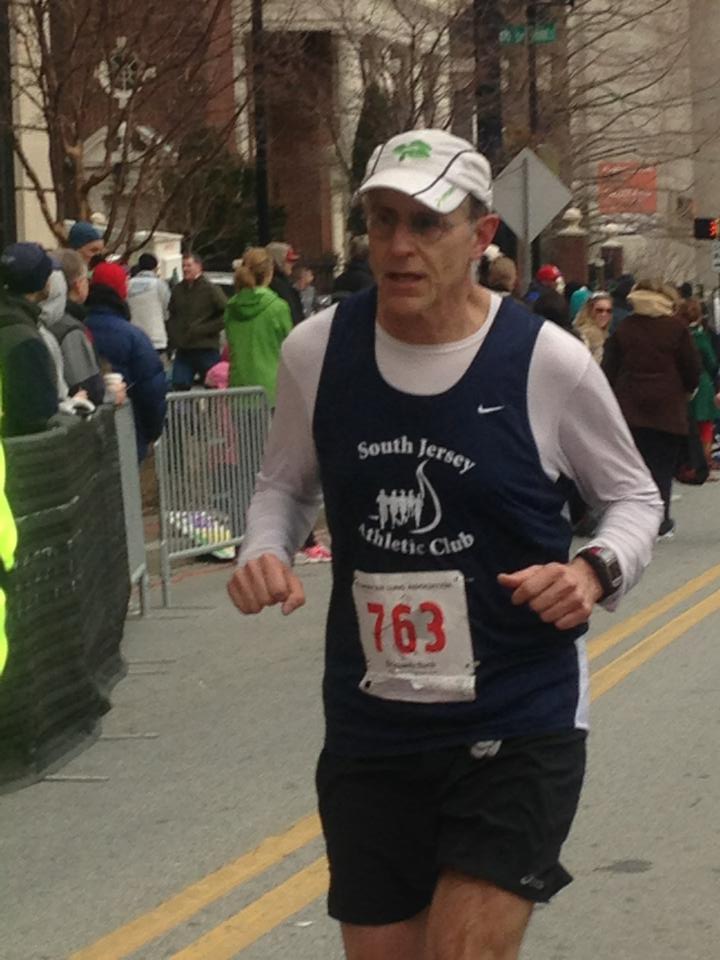
Crossing the Finish Line, 2013

2007  1:51:59

2008  Didn’t run

2009 1:49:45

2010  1:49:48

2011  1:49:40

2012  1:53:35

2013  1:49:16


Last year was a bad year for me in this race.  I remember heading up that hill, head facing my feet, and thinking I was doomed.  A youngish woman came bouncing beside me, no heel strike for her, and suggested I lift my head.  I grumbled something about how my glasses were fogged and I needed to look down to see.  The truth was I was grinding away and in no mood to be pleasant.  This year, fortunately, the fog lifted.  I held my head up the entire race, paced it well, and wound up with a PR.

The honorable senator of Delaware, Tom Carper, age 66, ran the race, too, with bib #1, finishing in a very respectable 2:05:47.  I watched as he crossed the finish line.  I have great respect for someone as busy as he to take the time and make the major effort to run his hometown half marathon.  We have a number of very fast runners in our club, the South Jersey Athletic Club, and we were well represented in this race.  Dave Stewart ran 1:28:26.  Brandon Hamilton ran 1:29:50.  Joe Clark ran 1:30:49.  Sixty six year old Joy Hampton came in first in her age group with a 1:55:16.

Frank, back in warm, dry clothes again, at the finish line of Caesar Rodney

Frank, back in warm, dry clothes again, at the finish line of Caesar Rodney

After the race I was able to meet up with my son and his girlfriend who came out to watch.  After grabbing a few apples, a couple of Clif Bar samples, and some Starbucks instant iced coffee samples (not yet the weather for it, though), we walked down Market Street to the only place open for breakfast, The Chelsea Tavern.  It turned out we couldn’t have found a better spot.  They had a brunch menu which was very creative.  We managed to squeak in before several tables of fourteen runners got their orders in, which was probably very fortunate.  I had T. A. Farms Turkey Benedict, with avocado salsa, which was a very nice and spicy turn of a standard.  My son had some thick country fried scrapple, which turned out to be remarkably tasty, and his girlfriend had a delicious waffle.  While they went for standard fare, the brunch menu also includes such items as Crispy Chili Spiced Pork Belly Benedict, Green Eggs and Spam Hash, with tarragon providing the green, and a Veggie Fritatta.  The service was quick and friendly, and if you find yourself in downtown Wilmington in search of brunch, dinner, or a good beer, I highly recommend this place.

We then made our way back to the car, the crews disassembling the finish line structure, and the tents and tables being removed.  I believe next year I’ll be back.  This race, while tough, has a way of drawing you back again.

Frank K.

Vermont Redux

dsc_0082a

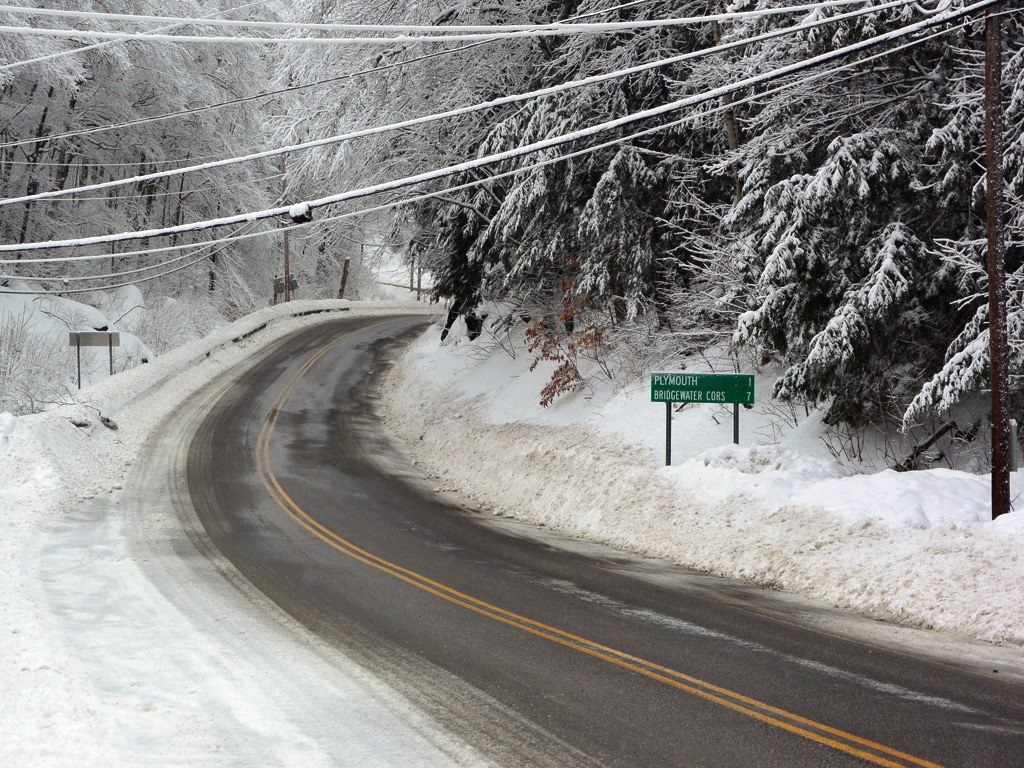
Looking up Route 100a towards the Calvin Coolidge Homestead, in Plymouth Notch, VT

Heading east on NY route 7, towards the Vermont border, the sky had the appearance of an expressionist painting in shades of gray, with streaks moving in different directions, slightly distracting me from driving.  The trip so far, up the New Jersey Turnpike, up the Garden State Parkway, then on to the New York State Thruway to Albany had been wet and dreary, but uneventful.  I was heading up, for the second time in a month, to spend a few days with friends in the Green Mountains.  Passing through Troy, I got a sense the weather might be changing.

One day earlier I had a new set of tires put on my 2008 Saab.  I only have 34,000 miles on it, but I had noticed lately my anti-lock brakes activating even on light rainy days.  I’m a careful driver, so it concerned me that even though it appeared sufficient tread was still on the Pirellis which were original with the car, they seemed to have lost the ability to grip the road.  Heading into the mountains and snow, I didn’t want to deal with unreliable tires.  I chose Michelin MXV4’s, which my local Tires Plus had to order in for me.  They are a four season touring tire, meant to handle well in rain and light snow.  I considered real snow tires, but felt that I would need them for one trip, then not for another year, and I would still want to replace the ones I had.

Crossing from New York 7 into Vermont, the route changes to Vermont 9.  Having driven four hours, I needed to take a break, get a fill up, a snack, use the rest room, and stretch the legs.  I usually stop at a Shell Station in Bennington, at the junction of Vermont 9 and 7.  Yes, I would be heading up route 7.  You would think Vermont and New York could work out these numbers so that 7 in NY was the same number in VT, but no, they are two recalcitrant states.  I got out of my car, and started to pump the gas.  In New Jersey, all the gas stations are full service.  Only when I leave the state and need a fill up do I actually have to, or get to, pump my own gas.  Who doesn’t love the smell of petrol on the hands?  Stopping in at the convenience store attached, there was talk among the locals of how bad the driving conditions were in the mountains, the very area I was heading.  In Bennington, the streets were dry and it was around thirty eight degrees.  When Vermonters mention how bad the roads are, though, one ought to listen.  Full of confidence, and desperately wanting to get to see my friends this night, I headed back onto the road and up Vermont 7.  I popped open a short can of Pringles to keep me entertained as I headed north.  Driving up to Manchester, I finally started to see some snow on the side of the road.  It had been pretty much absent up to that point.  But still, the road was clear.  The real test would come when I reached the turnoff at Manchester, where,  instead of heading into town to wisely wait until morning, I bravely ventured east into the Green Mountains.

The guy at the gas station in Bennington got it right.  Very quickly, as I headed up the mountain road, ascending as I went, the snow was already coming down.  It gets tricky driving in these conditions.  There is a long climb out of the Manchester region as the road heads east, and several large trucks were pulled to the side, their drivers putting chains on the tires.  The road had not been plowed, and snow was accumulating at a rapid rate.  My jaw muscles were tightening as I continued to climb, staying within the car tracks of whomever had passed before me, my  wipers trying to keep up with the accumulation of snow on the windshield.  I had the defroster blowing to keep the windshield warm so that the wiper blades could still work.  Up to this point, I had made very good time, staying ahead of the speed limit and avoiding the speed traps.  But now, I was slowing way down, and the last forty three miles of the trip were going to take considerably longer than an hour, judging by my current speed of around twenty miles per hour.  While the road mostly went up, there were the occasional downhill segments as well, which felt very treacherous, especially if they rounded a curve.  I tried to keep myself focused, and avoid imagining the car sliding off the road.  I thought, at least there were snow banks on both sides of the road which could keep me from winding up plummeting down an embankment into a freezing stream.

I did manage to stay on the road, past the entrance to the Bromley Ski Resort, up and down a few more hills to Londonderry.  Here, the relative ease of traveling Route 11 was left behind, and I needed to turn north up Route 100.  The first challenge is in the first quarter mile, as the road twists its way up a short but steep hill.  With the Saab still staying on track, I continued this adventure at a very modest pace, still needing to drive in the tracks in the road which were now filling with new snow.  Before, on Route 11, while I shuddered as each logging truck and four wheel drive SUV passed in the opposite direction, at least someone would have noticed me go off the road.  Here, on Route 100, I seemed to be alone.  This was more frightening, not having any witness available should I slide.  In the dark, snow coming down, I managed to continue on the windy course of Route 100, holding a steady 15-20 miles per hour.  I knew that up ahead, there was a sharp right turn to stay on 100 north.  I’ve driven this route many times before, but I didn’t remember exactly where this turn comes.  One thing about snow, though, it does reflect light, and make even a dark night seem a little brighter.  I passed through the little village of Westin, with its classic New England B&B, the Westin Inn.  It beckoned me to just pull in and take a room for the night.  Yet, I continued driving, knowing there would be good food and beer and good friends when I reached my destination.  Driving on,  I noticed some familiar landmarks, a barn, a curve in the road, and noticed a signpost up ahead.  The signs were completely caked with snow so that they were unreadable, but I recognized the turn to stay on 100.  I slowed to quite a crawl to negotiate the turn, and kept on.  This, I knew, was the most challenging part of the route.  The road climbs and descends at pitches up to 19% grade, and I knew my front wheel drive sedan was not designed for this.  If I did slide into a ditch, I knew the response from whomever would rescue me would be one of derision, that I was foolhardy to think I could handle this road in these conditions without a serious four wheel drive ve-hic-le.  I finally crested the last hill leading down to the town of Ludlow.  As I again slowed so not to skid off the road during my descent, for the first time in many miles I started to get a cue of drivers behind me.  I hoped they wouldn’t drive too close, since I knew I would be going very slowly on these last few miles into Ludlow.  As I neared the town, the road showed signs of recent plowing.  My jaw muscles, now tetanic from being contracted so long, were starting to relax.  I made it onto the main street in Ludlow intact, thankful I had not lost control on that snowy ride through the mountains.

In Ludlow, I had a few items to pick up.  First and most important was a stop at the Brewfest Beverage Company, conveniently located at the junction of Routes 100 and 103 in Ludlow.  The parking area was thick with snow, but I didn’t care.  I pulled in and walked in.  It felt very good to stretch my legs after the drive.  I picked up a sixpack of Long Trail Double IPA, a four of Long Trail Triple Bag Ale, a sixpack of The Shed Mountain Ale, and a Silverado Cabernet.  Back in the car, I had a bit of trouble getting through the thick snow which had piled up in the parking lot, but managed to blast my way through and get back on the road.  Another block and I stopped at Shaw’s market to pick up some food for my hotel room.  There was a fair amount of traffic along this road, and the plows had come through, making it easily passable.  A couple of miles down the road and I again headed north on Route 100, for the last few miles to my destination, the Salt Ash Inn in Plymouth Notch, at the junction of 100 and 100a.
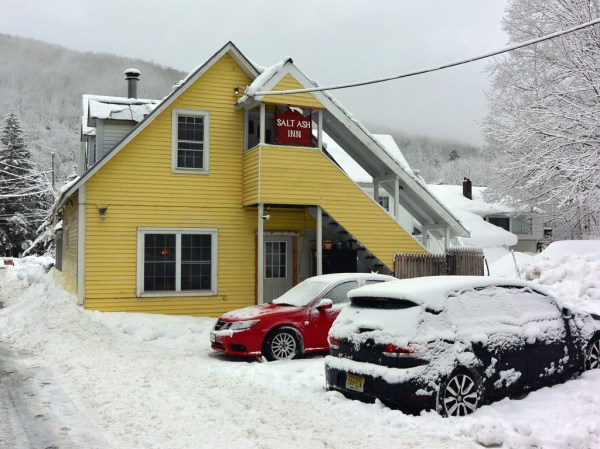
The Salt Ash Inn

The Salt Ash Inn, a unique, rustic experience in Vermont

As I pulled up to the inn, I realized I had made it intact, and was thankful I had made the decision to get the new tires.  I don’t think the old tires were up to the task, and there were definitely points along the way I would have lost control had the old tires still been on the car.  I stepped out of my car, and went in.  This inn, the Salt Ash, is unlike any other I’ve stayed in before.  While it has a very nice Vermont country feel to it, and it is certainly charming visually, it is very rustic in that one is mostly on one’s own in this place.  There’s a sign in the hall to ring the innkeeper on an old fashioned handset phone, all in black.  Al, the innkeeper, showed up a few minutes later to give me my key, a regular dead-bolt key on a key ring, and clue me in on my room’s features.  It was the Union room, a small, one-bedroom room with a bit of a slant to the wood floor.  The bed was very comfortable, but it was squeezed into the small end of the trapezoid shape of the room.  It had a thermostat to control the radiator, a sink which had very slow flow, and a toilet and small shower.  Perfect for me, traveling on my own.  It would work for a couple, too, but no room for an extra bed.  The one homage to modernity in the inn was free WiFi, which was quite welcome.
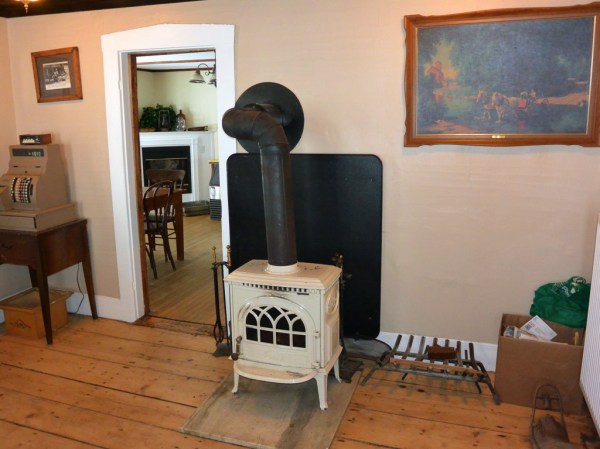
living room with wood stove

Unlit wood stove in the living room of the inn.

After dumping my bags in the room and skis in the front room of the inn, I joined my friends who had been here for several days already.  They were staying in the inn’s annex, which is a converted out building, with a large one bedroom apartment on the first floor, and two smaller rooms on the second.  We used the kitchen and living area for meals and hanging out.  The group consists of friends from both sides of the Atlantic, the U.S. East Coast contingent and the Londoners.  We planned to ski at Pico the next day, which was a Thursday.  That’s significant because Pico is closed Tuesday and Wednesday, and with the new snow that fell, we were looking forward to a day of fresh powder, or at least what passes for it in Vermont.

The gang in the annex, planning our day at Pico.

The gang in the annex, planning our day at Pico.

This was my first time at Pico, the smaller sibling of Killington.  While smaller, it has some very nice runs, and, as we would find out, there is the possibility of finding some unskied areas to make fresh tracks.  We happened to meet up with a local skier, a friend of one in our group, who took us on a tour of the ski area we would never have known about if not for him.  We traversed through the trees several runs over, making our own trail, until we came to an unused run served by an ancient lift which was not in service.  There we had the pleasure of an untouched slope all to ourselves, with about 12 inches of new snow on it.  Skiing it wasn’t easy.  It made me look pretty awkward, but the others in the group handled it very nicely.  This tour of the mountain brought us to several more unused, or little used, slopes, so we had quite a good day of it.

Fresh snow on a hidden run at Pico.

Fresh snow on a hidden run at Pico.

That evening, one of the women in our group, Christine, made a concoction of eggplants, zucchini, potatoes and onions to go with some spicy sausages we cooked in the oven.  I found out that the English, ever teaching us the right way to speak, say aubergine and courgette respectively for eggplant and zucchini.  Regardless, it was delicious and went well washed down with the local Vermont beers.  We also had some blueberry pie and the famous Ben and Jerry’s Vanilla ice cream, without which a trip to Vermont would be incomplete.

The following day we had plans to go cross country skiing.  Being a runner, I was looking forward to this, as I had no hope of getting any running in, given the road conditions.  In German, cross country skiing is Langlaufen, or “long running”.  I’m sure there’s supposed to be a “ski” in there too, but it’s understood.  We drove about 30 miles south to Grafton Village, home of the Grafton Ponds Outdoor Center.  There they have cross country ski trails and ski rentals.  Our group, being very much an alpine skiing group, was bold to try this form of the sport.  I had done two days of cross country about three years ago, and that was the extent of my  experience.  Of the others in the group, one, Simon, had the most experience, having gone several times, up to a week at a time.  The rest were all newbies.  Since I brought my own skis with me, I didn’t have to rent equipment, but the others did.  The rentals are much cheaper than downhill equipment, and the pass for the trails is likewise a lot more reasonable, about $14 for a half day.

cross country skis

My practically unused cross country skis.

The area has a flat trail which runs around a large pond, and trails leading uphill into the woods.  At the top-most trail there is a cabin.  Reaching it is proof you were able to make it up the most difficult climbs.  What I discovered, but actually already knew, is that descending is a lot more difficult than climbing.  Climbing takes some strength and conditioning.  Descending takes knowing how to slow your descent using ridiculously skinny, edgeless skis on a narrow trail which has hair-pin turns.  After a run around the pond to get used to the skis, the intrepid Simon and I headed up the trail in the woods to the cabin, naturally.  Getting there was addictive.  As we went along the trails, one got the wonder of cross country skiing, shushing along the quiet flat parts, enjoying the solitude in the woods, and using the herringbone technique to climb to the next level.  We ultimately reached our goal, the cabin.  It was small and unassuming, but probably welcome under colder conditions.  As it was when we were there, the temperature was close to 40 degrees, so we hardly needed warming.
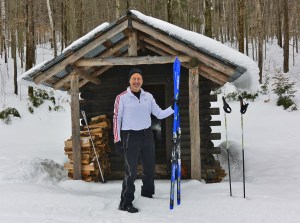
Frank at the hut.
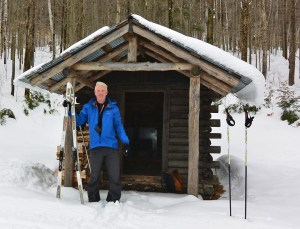
Frank at the hut.

dsc_0093a

Simon at the hut.

Inside the hut.

Inside the hut.

As predicted, the descent back to the center was treacherous, mainly for me.  Simon, with his advanced cross country skills had no trouble negotiating the tricky downhill segments.  I, on the other hand, had all sorts of trouble, basically controlling the descent about three quarters of the way down each switch back turn, then wiping out.  The conditions were not ideal for a newcomer to the sport.  The warm day left the snow soft and wet, not dry and crisp which would have been manageable.  At one point I had to take off a ski to get back up, and quickly discovered the idiocy of that move.  The ski slipped out of my hand, and with no ski brake as on an alpine ski, it easily skittered off into the woods.  Fortunately, it hit a tree and stopped.  I went tromping after it in deep snow, almost up to my hip, but managed to get the ski back and crawl back up onto the trail.  I walked about fifty feet downhill, to a flatter segment, and put the skis back on.  Amazingly, Simon had patiently waited for me, and we went together the last kilometer or so down to the ski center. As we descended further, a tall, somewhat natural looking woman, dressed in sweat pants and a long sleeve cotton T-shirt, who had been skiing circles around us, passed in the opposite direction and said, “congratulations, you conquered Bear Hill,” and flew by for another loop.   The others in our group had long since finished their experiment with cross country, and were ready to depart.

The gang at the Grafton Ponds Outdoor Center.

The gang at the Grafton Ponds Outdoor Center.

We were eager to try some of the famous Grafton Village cheese, made locally.  We stopped in at the cheese shop, sampled about everything we could sample, and contributed a bit to the local economy.  We then headed off to Manchester Center, to allow for a little shopping at the outlet stores.  I went to my favorite bookstore in the world, Northshire Bookstore, an independent and thriving bookstore which is a treat to visit.  I bought Paleofantasy, by Marlene Zuk, a detailed and well researched work debunking the myths around the new fads of “paleo” living.  I also picked up an Alan Furst novel about spies in the pre-world war two era, Spies of the Balkans.  It promises to be an exciting read.

That evening, we had dinner in the Echo Lake Inn, for their Friday night, three course, $23 special.  We had a wonderful dinner, a great value for the price, since the quality was very good, along with some very nice wines from California.  The next morning, we had breakfast together, and then I took off.  I left the key of my room on the table with the phone, figuring Al would find it.  The ride home would be a lot less dramatic than the ride up.  The sun was out, the road was clear, and the traffic, light.  I always enjoy my time up here in Vermont.  Vermonters are a tough lot.  They survive severe weather, and in the case of the recent hurricane, Irene, some pretty damaging flooding from which they are still recovering two years later.  Most of the local people we spoke with here had stories to tell of homes and business flooded, or even completely washed away, along with roads and bridges.  But, they have managed to rebuild and enjoy their mountain home, clearly very dear to the people of this state.

Next up, back to real running, with the Caesar Rodney half marathon.
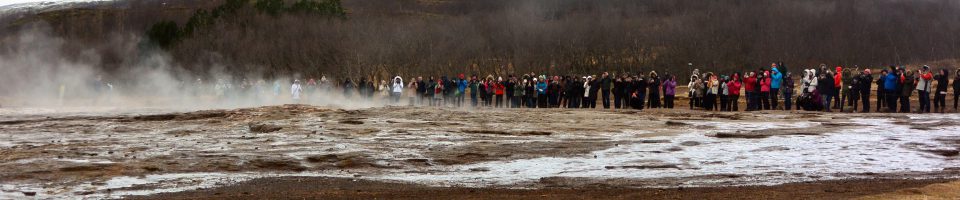
Uncorking Croatia

The Blog of WINES OF CROATIA

RunnersOnTheGo.com

To help enrich the lives of others, we developed RunnersOnTheGo.com to help runners save money on races, running stores, and much more. We also provide the specific local information that makes your travel for business, vacation, or racing as rewarding as possible.
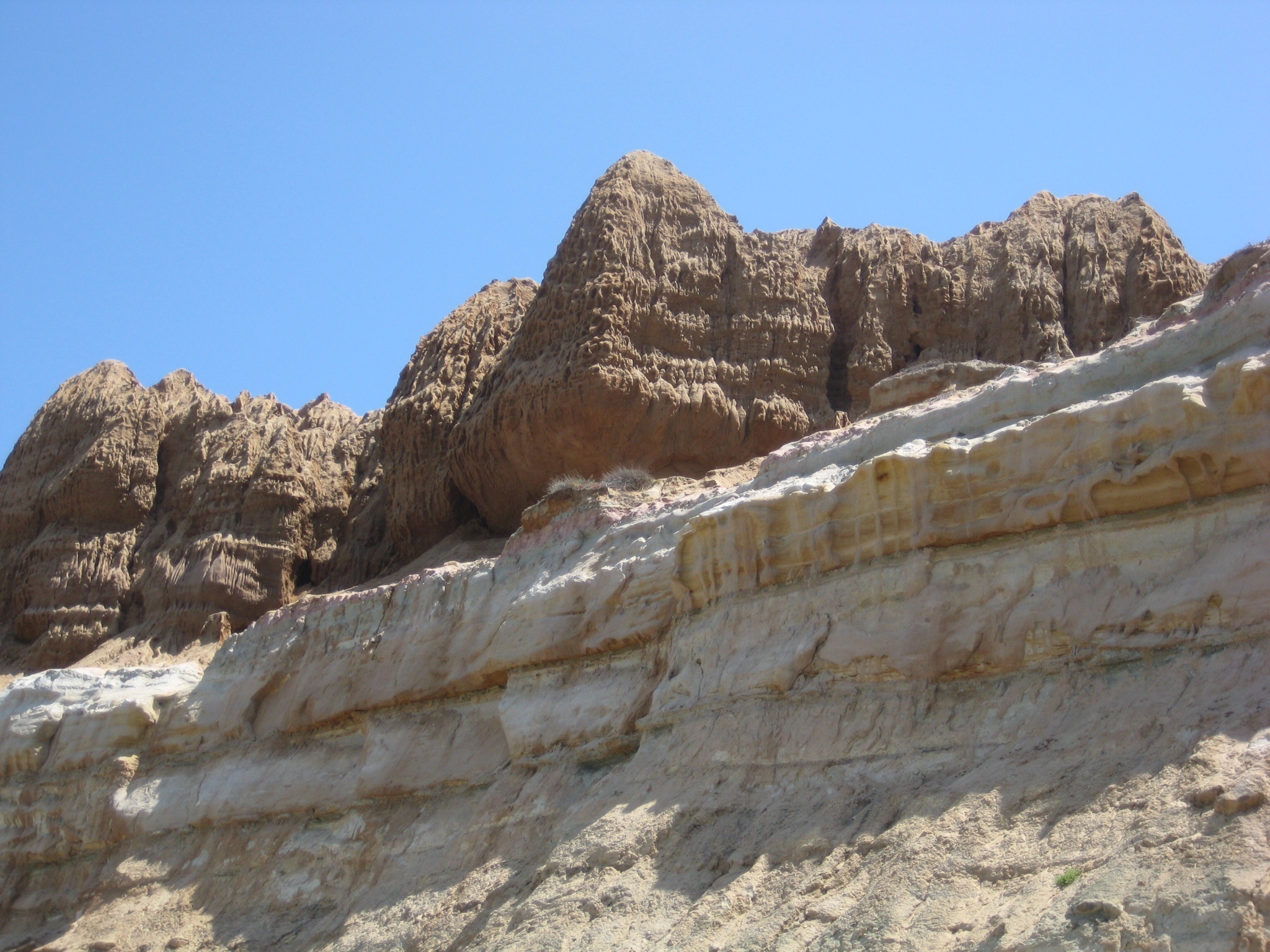
getsetandgo

Travel Blog of a Budget Traveler sharing stories on travel, books & Vegetarian Food

Marc Hemingway

Trying to keep track of my life (and my life on track)

Mid-Life, Mid-Level, Masters Running

Exploring ideas about running to contribute to a more enjoyable pursuit for the mid-level masters runner

therunningtherapist

"One foot in front of the other and one thought at a time"

WordPress.com News

The latest news on WordPress.com and the WordPress community.

retireediary

The Diary of a Retiree